
CHULU EAST PEAK CLIMBING
USD 2,590 / Per Person
Trip Overview
Climbing Chulu East Peak, located in the Annapurna region of Nepal, offers an exhilarating and challenging adventure for mountaineers seeking a thrilling experience. Standing at 6,584 meters (21,601 feet), Chulu East is a relatively accessible peak compared to other high-altitude mountains, making it a popular choice for climbers who are looking to push their limits while enjoying the breathtaking landscapes of the Himalayas.
The climb typically begins from the town of Besisahar, located in the Lamjung district, from where trekkers embark on a journey to the base camp. Along the way, climbers pass through picturesque villages such as Chame and Pisang, providing an opportunity to experience the rich culture and hospitality of the local Gurung and Manangi communities. The trekking route also offers stunning views of other towering peaks, including Annapurna II, Annapurna IV, and Gangapurna.
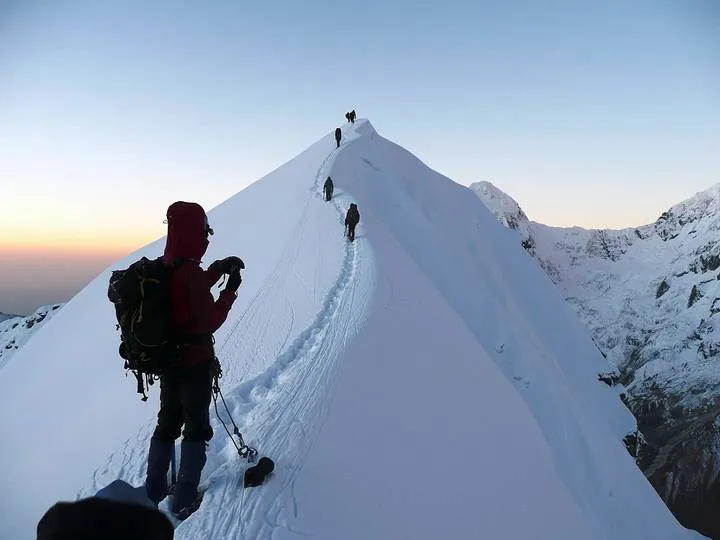
After several days of trekking, climbers reach the base camp at around 4,800 meters, where they acclimatize before attempting the summit. The ascent involves a mix of technical climbing, including snow and ice, and some rock scrambling. The summit push usually takes place after a series of high camps have been established. Climbers may encounter crevasses, steep sections, and harsh weather conditions, making the climb both physically and mentally demanding.
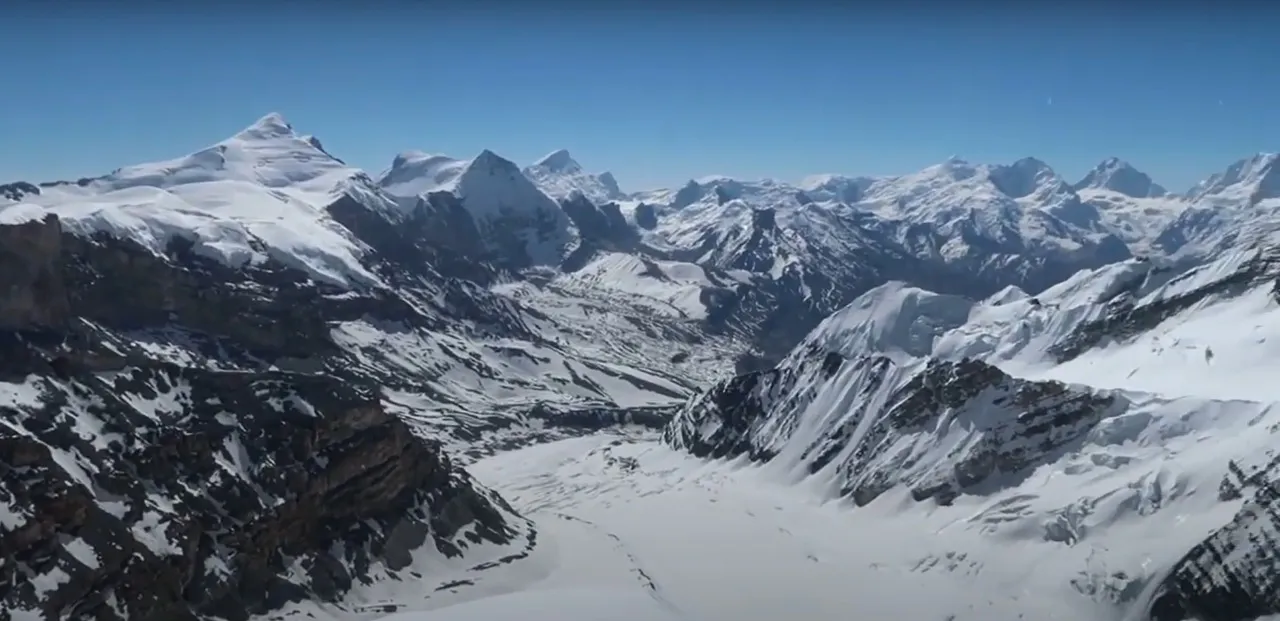
However, the reward is well worth the effort. From the summit of Chulu East, climbers are treated to panoramic views of the Annapurna and Dhaulagiri ranges, as well as an expansive view of the Marsyangdi Valley below. The sense of achievement upon reaching the peak is unmatched, making Chulu East a must-do for mountaineers seeking an unforgettable Himalayan adventure.
CHULU EAST PEAK CLIMBING Day-by-day ITINERARY
Arrive in Kathmandu, the capital city of Nepal, where you will be greeted by your guide or trekking agency representative. Afterward, you’ll be transferred to your hotel. This day is mostly for arrival and rest, allowing you to recover from your journey and adjust to the bustling atmosphere of Kathmandu. You can explore the city or relax in the evening before your trek begins.
In the morning, after breakfast, you will begin a scenic drive from Kathmandu to Chame, the administrative center of the Manang District. The journey takes approximately 9 to 11 hours, passing through picturesque villages, dense forests, and terraced fields. As you approach Chame, the surrounding mountain views begin to emerge, marking the beginning of your trek into the Annapurna region.
Today, you will begin your trek toward Pisang, a small village that offers stunning views of the surrounding peaks. The trek will take you through pine forests and along the Marsyangdi River. After 4 to 5 hours of trekking, you will arrive in Pisang, where you can rest and acclimatize. Pisang is a great place to enjoy views of the Annapurna II and Pisang peaks.
The trek continues today as you head towards Ngawal, a traditional village located at a higher altitude. The route involves a mix of steep ascents and gradual slopes, passing through beautiful alpine forests and offering magnificent views of the surrounding mountains. After 5 to 6 hours of trekking, you will reach Ngawal, a peaceful and high-altitude village ideal for acclimatization.
This is a crucial rest day for acclimatization at Ngawal. It is important to give your body time to adjust to the increasing altitude and avoid altitude sickness. You can take short hikes around the area or relax in the village. Enjoy the views, and your guide will provide advice on maintaining good health during your trek.
Today, you will trek to Yak Kharka, which lies at an altitude of 4,050 meters. The trail gradually ascends through a rugged landscape with fewer vegetation and scattered villages. It is a relatively short trek of 5 to 6 hours, giving you plenty of time to rest and acclimatize. Upon arrival in Yak Kharka, enjoy the surrounding views of the Annapurna range.
The journey from Yak Kharka to High Camp is a long and challenging one, with an ascent of nearly 1,600 meters. The trail becomes steeper and more rugged as you get closer to the High Camp, which sits at 5,600 meters. The trek will take around 6 to 7 hours, and the high altitude makes this a physically demanding day. After arriving at High Camp, you’ll have an early night in preparation for the summit push.
This is the highlight of your journey—summiting Chulu East Peak at 6,584 meters. You will leave the High Camp early in the morning, as the climb can take several hours depending on the conditions. The ascent involves technical climbing, so it’s essential to be cautious and take your time. Once at the summit, you will enjoy breathtaking panoramic views of the Annapurna range, including Annapurna I, Annapurna II, Dhaulagiri, and many other peaks. Afterward, you will descend back to Ngawal for rest, which will take around 4 to 5 hours.
A reserve day is planned in case of inclement weather or any other unforeseen delays that may affect your summit attempt. This extra day provides flexibility and ensures that you have enough time to summit if the weather on Day 8 was not favorable.
After your summit adventure, you will descend to Humde, a small village located at a lower altitude. From here, you will take a drive to Besisahar, the starting point of the Annapurna Circuit. The trek from Humde to Besisahar takes approximately 6 to 7 hours. In Besisahar, you will relax for the night before heading back to Kathmandu.
Today, you will drive back from Besisahar to Kathmandu, which takes around 6 to 7 hours. The drive offers a scenic view of rural Nepal and the lowlands, gradually descending from the high Himalayas. Upon arrival in Kathmandu, you will check into your hotel and have the rest of the day free to relax or explore the city.
This is the last day of your adventure. After breakfast, you will be transferred to the Tribhuvan International Airport for your flight home. Reflect on your incredible achievement and the unforgettable memories you’ve made in the Annapurna region of Nepal.
CHULU EAST PEAK CLIMBING INCLUDES & EXCLUDES
Costs Included in Your Package:
- Airport pick-up and transport by private car/jeep.
- Two nights in a standard twin-sharing hotel in Kathmandu with breakfast.
- Three meals a day (breakfast, lunch, and dinner) during the trek.
- Fresh fruit every evening after dinner.
- Tea house accommodation during the trek and tent camp during the climbing session.
- All necessary paperwork, including Annapurna Conservation Area permit and TIMS card.
- Kathmandu to Besisahar transport by bus, and Besisahar to Chame/Humde by shared jeep.
- Highly experienced, friendly, English-speaking government-licensed guide (salary, food, drinks, accommodation, transport, insurance included).
- Chulu Far East Peak climbing permit.
- Strong, helpful Sherpa porters (one for two people) with safety and walking equipment, salary, food, accommodation, and insurance.
- Comprehensive medical supplies (first aid kit available).
- Emergency helicopter service (covered by your travel insurance).
- Sleeping bag, down jacket, duffel bag, and walking poles (if needed, to be returned after the trip).
- Sherpa Expedition and Trekking T-shirt.
- Government taxes and official expenses.
- Trip achievement certificate after successful completion.
- Oxygen meter for monitoring pulse, oxygen saturation, and heart rate to ensure your health during the trek.
- Assistant guide for groups of 8 or more people.
Costs Excluded:
- Meals in Kathmandu (lunch and dinner).
- Nepal entry visa fee (easily obtainable on arrival at Tribhuvan International Airport): $30 USD for 15 days, $50 USD for 30 days, and $125 USD for 90 days.
- Personal travel and medical insurance.
- International airfare.
- Personal expenses.
- All alcoholic and non-alcoholic drinks (e.g., soup, tea, coffee, hot chocolate, cocoa, mineral water, extra food, cold and hot drinks) during the trek.
- Desserts and sweet items (chocolate, cake, pie, pudding).
- Hot showers and battery charging at tea houses.
- Tips for guide, porter, and driver (tipping is expected).
- Excess baggage over 10 kg for the Jomsom flight.
Note: If you return earlier from the trek due to sickness or any other issues, the costs for flight, hotel, mountain room, food, etc., are non-refundable. You will be responsible for additional expenses such as hotel stays and meals in Kathmandu.
CHULU EAST PEAK CLIMBING PACKING LIST
You will be carrying all of your gear and share some of the cluster gear. Keeping your pack light is important, so choose light-weight clothing and equipment. Be sure to have a range of clothing suitable for all conditions. Sudden change of weather may require layering of clothing. Three layers will meet your needs. Avoid cotton or fabrics that do not maintain heat when cold. Comfortable durable wool (or proven fabrics) that breathe and expel sweat lends itself to an additional pleasant experience!'
We will offer complimentary water and a windproof duffle that you'll use on the trek - carried by porters. The duffle is yours to keep once at the end of the trek. You can safely leave your bag, together with your non-trekking requirements, at our office in Katmandu and collect them upon your return.
All equipment, such as base camp tents, room accessories, climbing rope, ice screws, snow bar and ice hammer is provided by Sherpa Expedition & Trekking.
Upper Body:
- Base Layers: Moisture-wicking and quick-drying shirts and thermal tops.
- Insulation Layers: Fleece or down jackets to provide warmth.
- Waterproof Shell Jacket: A durable and breathable jacket to protect against wind and rain.
- Softshell Jacket: A lightweight and water-resistant jacket for added protection.
- Climbing Harness: A comfortable harness to secure yourself to the rope.
- Helmet: A strong and well-fitting helmet to protect your head from falling objects.
- Gloves: A combination of lightweight liner gloves and insulated gloves or mittens for warmth and dexterity.
- Buff or Neck Gaiter: To protect your neck and face from cold and wind.
- Sunglasses: Polarized and UV-protected sunglasses to shield your eyes from the sun and snow glare.
- Goggles: Ski or mountaineering goggles for added eye protection in extreme weather conditions.
Lower Body:
- Base Layers: Moisture-wicking and quick-drying thermal bottoms.
- Insulation Layers: Fleece or insulated pants for added warmth.
- Waterproof Shell Pants: Durable and breathable pants to protect against wind, rain, and snow.
- Softshell Pants: Lightweight and water-resistant pants for added protection.
- Mountaineering Boots: Sturdy and insulated boots designed for snow and ice.
- Belay device (ATC, GriGri, etc.)
- Crampons: Attachable spikes that provide traction on icy terrain.
- Gaiters: Waterproof and breathable gaiters to keep snow out of your boots.
- Socks: A combination of moisture-wicking liner socks and thick, warm mountaineering socks.
Other Essential Items:
- Backpack: A spacious and sturdy backpack to carry your climbing gear and personal belongings.
- Sleeping Bag: A warm and lightweight sleeping bag that can withstand sub-zero temperatures.
- Trekking Poles: Adjustable trekking poles for added stability and support.
- Headlamp: Essential for climbing in low-light or dark conditions.
- Water Bottles: Insulated water bottles to keep your water from freezing.
- Sunscreen: High SPF sunscreen to protect your skin from the strong sun at high altitudes.
- First Aid Kit: A comprehensive first aid kit with essential medications and supplies.
- Climbing Snacks: Energy bars, nuts, and other lightweight snacks for quick fuel during the climb.
It is important to invest in high-quality gear and ensure that everything fits properly and is in good condition. Additionally, consult with experienced climbers or a professional guide to ensure you have all the necessary gear and receive proper training on how to use it effectively and safely.
Package Extra Information
GOOD TO KNOW ABOUT CHULU EAST PEAK CLIMBING
Good to Know of Chulu East Peak Climbing
Chulu East Peak is a popular climbing destination in the Annapurna region of Nepal. It is known for its challenging routes, stunning panoramic views, and rewarding experience for mountaineers. Here are some key details about Chulu East Peak climbing:
Location and Elevation
- Elevation: 6,584 meters (21,600 feet)
- Location: Situated in the Annapurna region of Nepal, Chulu East Peak offers breathtaking views of the surrounding peaks, including Annapurna, Dhaulagiri, and Manaslu.
- Range: It is part of the Chulu massif, a prominent group of peaks located between the Marsyangdi River and the Annapurna Circuit.
Climbing Difficulty
- Grade: The climb is considered a moderately difficult climb, typically requiring alpine climbing skills.
- Technical Skill: While the peak is not as technical as some other higher peaks, climbers should be prepared for challenging conditions, including snow and ice climbing, and steep sections.
- Best Season: The best time to attempt Chulu East is during the pre-monsoon (spring) season (March to May) and the post-monsoon (autumn) season (September to November).
Climbing Routes
- The most commonly used route starts from the village of Ngadi, and the approach to the base camp is via the Annapurna Circuit trek. The standard route includes several high-altitude camps, and it typically takes around 14 to 21 days to complete the expedition.
- Climbers will ascend through moraine fields, glaciers, and steep rock sections to reach the summit.
Required Permits
- Annapurna Conservation Area Permit (ACAP): Required for trekking and climbing in the Annapurna region.
- Trekkers’ Information Management System (TIMS) Card: Necessary for trekkers traveling in the Annapurna region.
- Peak Climbing Permit: A special climbing permit is required to attempt Chulu East, and this must be arranged through a licensed trekking agency in Nepal.
Climbing Support
- Guides and Porters: It is highly recommended to hire experienced climbing guides and porters who are familiar with the route and climbing conditions. They will assist with navigation, logistics, and safety.
- Climbing Equipment: Climbers should bring their own technical gear such as ice axes, crampons, ropes, harnesses, and personal climbing equipment. However, some equipment can be rented in Kathmandu or Pokhara.
Weather and Conditions
- The weather on Chulu East can be unpredictable and harsh, especially at higher altitudes. Climbers should be prepared for freezing temperatures, snowstorms, and strong winds. Acclimatization is crucial to avoid altitude sickness and ensure a safe climb.
Summit Views
- From the summit, climbers are treated to panoramic views of the Annapurna range, including Annapurna I, Annapurna II, Dhaulagiri, Machapuchare, and many other peaks. The view of the surrounding valleys, glaciers, and alpine landscapes makes the climb a memorable experience.
Physical Preparation
- Chulu East Peak requires physical conditioning and high-altitude endurance. Prior trekking in the Annapurna Circuit or similar treks is advised to build stamina and get accustomed to altitude.
Safety
- Safety is a primary concern when climbing any peak, especially one at over 6,000 meters. Proper acclimatization, physical training, and expert guidance are critical for a safe ascent. It is also important to be prepared for emergencies, such as altitude sickness or extreme weather conditions.
Cost of Climbing
- The cost of climbing Chulu East varies depending on the trekking agency, group size, and services provided (guides, porters, permits, etc.). On average, the total cost for the entire expedition, including permits and guide services, can range between $3,000 to $5,000 USD.
Training and Experience
- Previous mountaineering experience is highly recommended for climbers attempting Chulu East. It is not a trek but a technical peak, and knowledge of climbing techniques such as using crampons, ropes, and ice axes is necessary.
Conclusion
Climbing Chulu East is a fantastic adventure for those looking for a peak in the Himalayas that offers both challenge and reward. The journey requires preparation, skill, and stamina, but it provides incredible views and a sense of achievement upon reaching the summit. Make sure to plan well and consider all the necessary logistics for a safe and successful climb.
ROUTE MAP OF CHULU EAST PEAK CLIMBING
Gallery of CHULU EAST PEAK CLIMBING


CHULU EAST PEAK CLIMBING Departures
Every departure listed below is 100% Guaranteed — once you book, your trip will run as scheduled regardless of group size.
Select a departure month
Fill out the form below and a Travel Expert will reach out to create your perfect tour.
FAQS Related to CHULU EAST PEAK CLIMBING
Others
Chulu East Peak is a popular trekking peak in the Annapurna region of Nepal. Standing at 6,584 meters (21,600 feet), it offers stunning views of Annapurna, Dhaulagiri, Manaslu, and other surrounding peaks. It's considered a non-technical peak, although it requires good physical fitness and some mountaineering skills.
Climbing Chulu East is challenging, but not as difficult as some of the higher peaks. It involves technical climbing on ice and rock, and altitude sickness can be a concern due to its height. Adequate preparation, acclimatization, and basic climbing skills are essential for success.
While it is a trekking peak, some technical climbing skills are necessary, including the use of crampons, ice axes, and basic mountaineering techniques. However, it is accessible to climbers with basic mountaineering experience who have trained in these areas.
The best times to climb Chulu East are during the spring (March-May) and autumn (September-November). During these seasons, the weather is stable, with clear skies and less risk of snowstorms.
To climb Chulu East, you will need two main permits:
- Annapurna Conservation Area Permit (ACAP)
- Trekkers' Information Management System (TIMS) Card Additionally, a climbing permit for Chulu East must be obtained from the Nepal Mountaineering Association (NMA).
The typical itinerary for climbing Chulu East takes around 18-22 days. This includes the trek to the base camp, acclimatization, and summiting the peak. The actual summit day is usually done from high camp.
The base camp for Chulu East is typically set at an altitude of around 4,900 meters (16,076 feet). From there, climbers ascend to high camp (about 5,400 meters/17,717 feet) before attempting the summit.
To prepare, you should focus on:
- Building cardiovascular endurance
- Training for high-altitude hiking
- Gaining basic mountaineering skills (e.g., ice axe, crampon use)
- Acclimatizing to higher altitudes through gradual elevation increases
- Preparing physically and mentally for cold, challenging conditions
With proper preparation, experienced guides, and adequate acclimatization, climbing Chulu East is relatively safe. However, mountaineering at high altitudes always involves risks, including altitude sickness, extreme weather, and challenging terrain.
The success rate for reaching the summit of Chulu East is generally high, especially when climbers follow a well-paced itinerary with sufficient time for acclimatization. However, weather conditions and individual fitness can impact success, so it’s important to be prepared for changing circumstances.
If you’re planning to climb Chulu East, hiring a certified guide and ensuring your gear and physical condition are up to standard will help ensure a safe and successful adventure.
RELATED PACKAGES


Latest Traveller’s Reviews
Travel experiences of our clients who recently returned from their trips.
100% of travellers recommend this trip
Based On 5417 Reviews
THANKS!
Amazing Experience!
Professional Trek, Heartfelt Memories – Led by Tshering

Write Your Review
Average Customer Ratings
How The Travellers Have Rated This Package
5309
106
2
0
0


