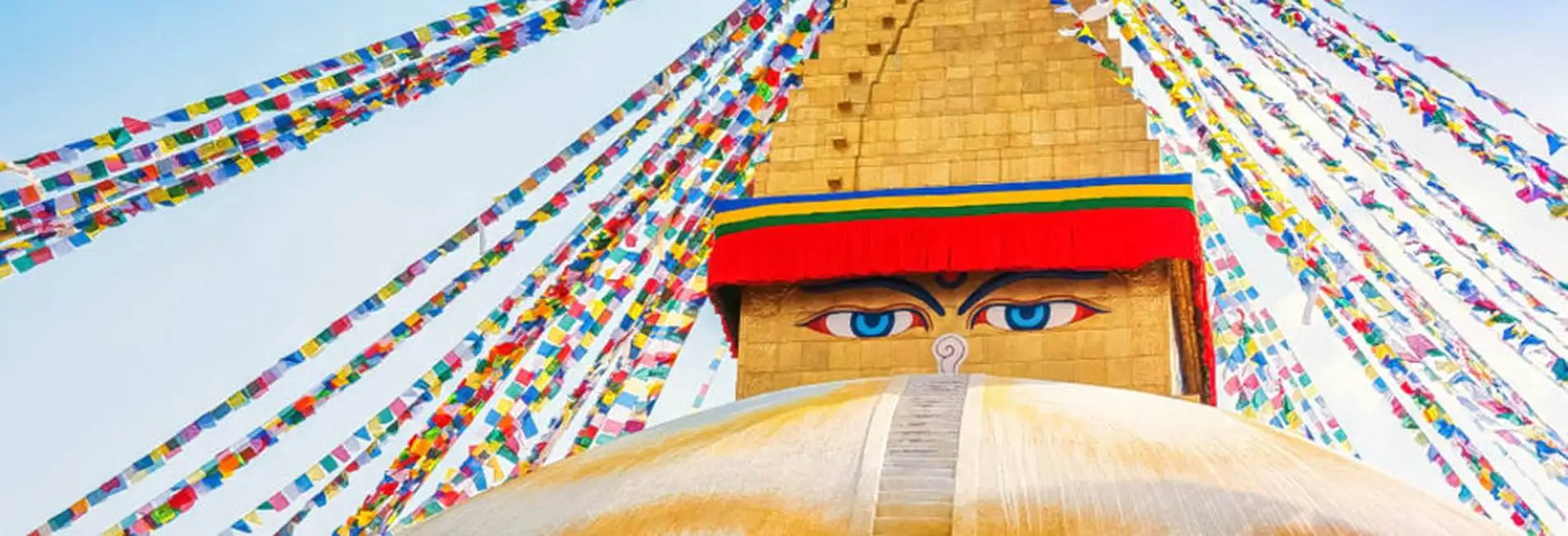
KATHMANDU VALLEY DAY TOUR
USD 170 / Per Person
Trip Overview
"The Kathmandu Valley day Tour includes the visit of Kathmandu Durbar Square, Swayambhunath Stupa ( Monkey Temple), Pashupatinath Temple, and Boudhanath Stupa."
Kathmandu is the Capital city of Nepal and a gateway to all parts of the Nepal Himalaya which is surrounded by four hills-Fulchowki, Chandragiri, Shivapuri and Nagarjuna. The three major cities of Kathmandu Valley are Bhaktapur, Patan, and Kathmandu itself. Situated the altitude of 4,500 feet above the sea level, Kathmandu is home to seven UNESCO World Heritage sites Kathmandu Durbar Square, Bhaktapur Durbar Square, Patan Durbar Square, Pashupatinath Temple, Chagu Narayan Temple, Swoyambhunath Stupa and Boudhanath Stupa. other popular landmarks like Ranipokhari, Dhara Dhara, Sundhara, Ghantaghar, Singadurbar and Budhanilkantha among others. Kalanki, Sundarijal, Balaju park, Chobhar, and Shivapuri Nagarjun National Park among others are some of the major gateways in Kathmandu. In the 18th century before the unification of Nepal, these major cities were independent states ruled by the Malla Kings.
Trip Highlights of Kathmandu Valley Tour
- Kathmandu Durbar Square
- Bouddhanath Stupa
- Pashupatinath Temple
- Monkey Temple
KATHMANDU DURBAR SQUARE:
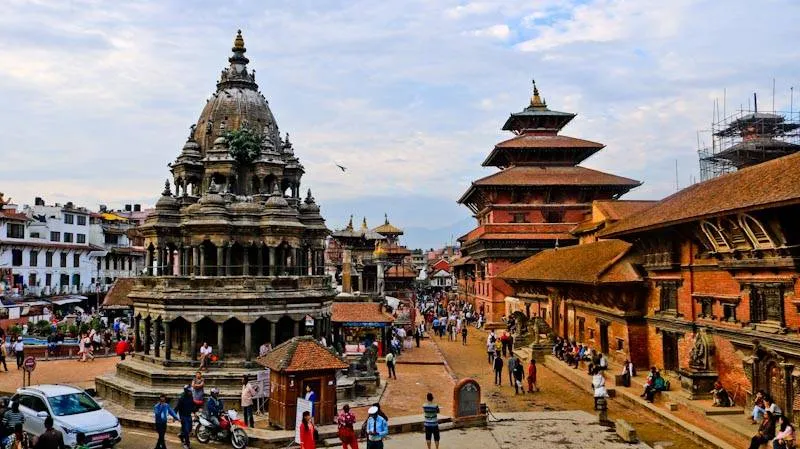
The Kathmandu Durbar square is the ancient place of Malla Rulers of Kathmandu Valley. The palace is the combination of many temples and monuments reflecting archaeological importance and cultural richness prevalent during the days of Malla rulers. Some of the attractions of Kathmandu Durbar Square are the nine-storied place, Kastamandap Temple, Kumari Ghar, Kal Bhairabh and the museum inside the palace.
PASHUPATINATH TEMPLE:
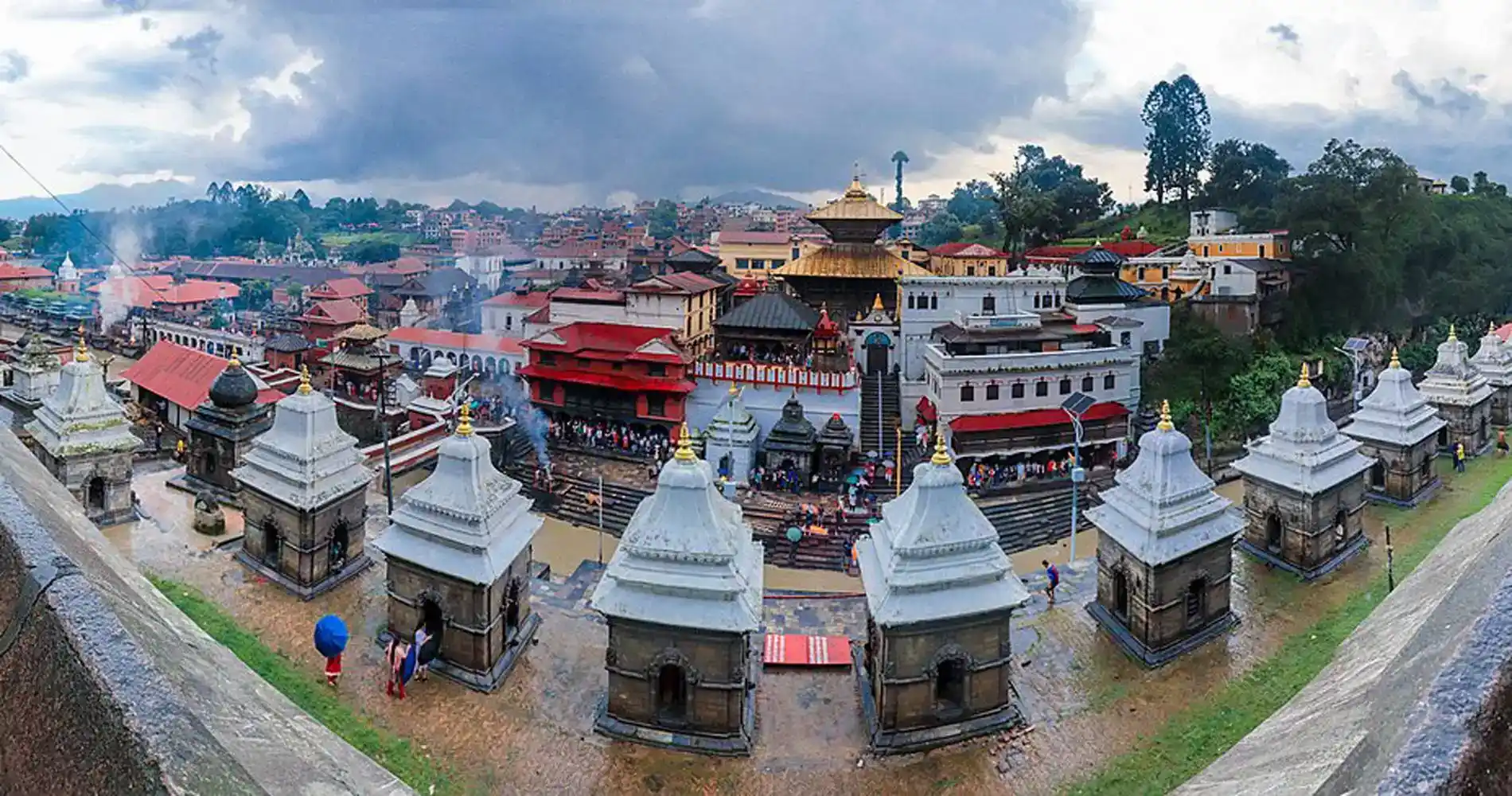
Pashupatinath temple is located in Kathmandu is the biggest temple complex in South Asia. The temple is the ultimate pilgrimage site for Hindus throughout the world. As a result, the area is always swarmed in by Hindus from a different part of the country as well as from India. located at the banks of holy Bagmati River, the two-storied pagoda temple of Pashupatinath, house the five-faced statue of Lord Shiva. Apart from the main shrine, there stands the great golden bull of Nandi - Shiva's vehicle and numerous temples dedicated to different gods and goddesses in and around the Pashupatinath temple area.
SWAYAMBHUNATH STUPA
Historians believe that the history of Swoyambhunath Stupa is as old as the history of the Kathmandu Valley. It is said Swayambhunath was immersed below water when the whole Kathmandu Valley was a big lake. According to Swayambhu Purana, a stupa was built around the lotus that emitted brilliant light after Manjushree cut a gorge and drained the water of the lake. There are numerous monasteries in and around the Swoyambhunath Stupa area. The area as a landmark in Kathmandu Valley as it provides an excellent view of the Kathmandu Valley.
BOUDHANATH STUPA:
The great stupa of Boudhanath is one of the largest stupas in entire South Asia. Situated in Bouddha, a short drive from the city center, the white mound looms 36 meters overhead. It is believed that Boudhanath was constructed in the 5th century, many monasteries around the stupa are to be found as the area has been inhabited by people having faith in Buddhism. Usually, Buddhist monks on maroon robes are seen circumambulating the stupa with prayer wheels on their hands. Numerous small stupas are located at the base.
BUDHANILKANTHA TEMPLE:
The most enigmatic statue of Hindu God Bishnu, Budhanilkantha statue is located at a distance of 10 km from the center of Kathmandu. It is located at the base of the Shivapuri Hill and is the largest and most beautiful stone carving in all of Nepal. It is also the most enigmatic. Carves from a single block of black basalt stone of unknown origin, the statue of Budhanilkantha is 5 meters in length and it lies in a reclining position inside a recessed tank of water also representing the cosmic sea which is 13 meters in length.
Also referred to as the Sleeping Bishnu, or Jalakshayan Narayan, the statue, depicts the deity reclining on the twisting coils of the cosmic serpent Shrestha, the eternal, multi-headed king of the serpent deities known as Nagas, and also is the servant of the Lord Bishnu. With crossed legs and eleven heads of Shesh cradling his head, the statue of Bishnu’s four hands hold objects symbolizing his divine qualities: a chakra representing the mind, a conch-shell; the four elements, a lotus flower; the moving universe and the club; primeval knowledge. Budhanilkantha receives large numbers of pilgrims during Haribondhini Ekadashi, which takes place during the 11th day of the Hindu month of Kartik (October-November). It is the major festivals for the year in celebration of the awakening of the lord Bishnu from his long sleep.
KATHMANDU VALLEY DAY TOUR INCLUDES & EXCLUDES
What's Included:
- An experienced, helpful and friendly Government license holder City Tour Guide.
- Kathmandu valley sightseeing by private car.
- All Kathmandu valley sightseeing tour program as mentioned in the itinerary
- Overland transportation
What's Excluded:
- Lunch & Dinner during the tour Kathmandu.
- International flight ticket
- Nepal entry visa fee US$ 40 (duration 60 days from the date of issue)- you may easily issue the visa upon your arrival at Tribhuwan International Airport - Kathmandu.
- Entrance fees while sightseeing tour in Kathmandu valley.
- Tipping /Tips(Tipping is Expected).
KATHMANDU VALLEY DAY TOUR PACKING LIST
General
- Cotton T-shirts
- Water Bottle
- Camera
- Fleece Pants
- Hat and light gloves
- Wind and waterproof jacket
Upper Body- Head / Ears / Eyes
- A pair of half gloves
- Sunglasses
- Neckwarmer
- Sunscreen (35 to 60 SPF)
Hand
- A pair of half gloves for walking poles(if you prefer)
Center Body
- long sleeve t-shirts
- Thermal Tops according to weather
- wool Jackets or pullover
- Artificial sports bras for (Women and girls)
- Water and windproof shell jacket
Lower Body
- Thermal underwear (especially trousers) in winter
- windproof and waterproof trousers
- warmer trouser
- Comfortable pants
- Extra casual sport pants
Feet
- A pair of good waterproof and easy boots
- Light shoes and sneaker
First Aid Kits and Medicines
- Assorted Adhesive Bandages (fabric preferred)
- Blister treatment
- Insect testing / anti-itch treatment
- Ibuprofen / other pain-relief medication
- Warps, splints, and wound coverings butterfly bandage
- Water purifying pills
(Note our company guide will carry the medicines and first aid kits during the tour, However, we recommend better to bring your personal first-aid kit as well)
Miscellaneous, but must useable
- 4 pic passport sizes with original passport
- Water bottle & filter
- Flight details (please make a copy and leave one pic at our office in KTM because of if you won to change your flight date)
- Bathroom kit (conform, should be included Toilet papers put on the plastic bag, hand wipes, towel, and soap, etc.)
Extra things
- Power Bank
- Camera (Memory card, chargers, and extra batteries)
Gallery of KATHMANDU VALLEY DAY TOUR

KATHMANDU VALLEY DAY TOUR Departures
Every departure listed below is 100% Guaranteed — once you book, your trip will run as scheduled regardless of group size.
Select a departure month
Fill out the form below and a Travel Expert will reach out to create your perfect tour.
RELATED PACKAGES




Latest Traveller’s Reviews
Travel experiences of our clients who recently returned from their trips.
100% of travellers recommend this trip
Based On 7 Reviews
Exploring the Cultural Diversity of Kathmandu Valley
Experiencing the Hospitality of Kathmandu Valley
Unveiling the Architectural Marvels of Kathmandu Valley

Write Your Review
Average Customer Ratings
How The Travellers Have Rated This Package
7
0
0
0
0


