
GHOREPANI POON HILL TREK 4 DAYS
USD 450 / Per Person
Trip Overview
The Ghorepani Poon Hill Trek is one of the most popular and accessible trekking routes in Nepal, offering a mesmerizing blend of natural beauty and cultural experiences. This 4-day trek is perfect for those looking to immerse themselves in the Himalayan landscape without requiring extensive trekking experience. The journey takes you through lush forests, traditional villages, and terraced fields, all while providing spectacular views of some of the highest peaks in the Annapurna region.
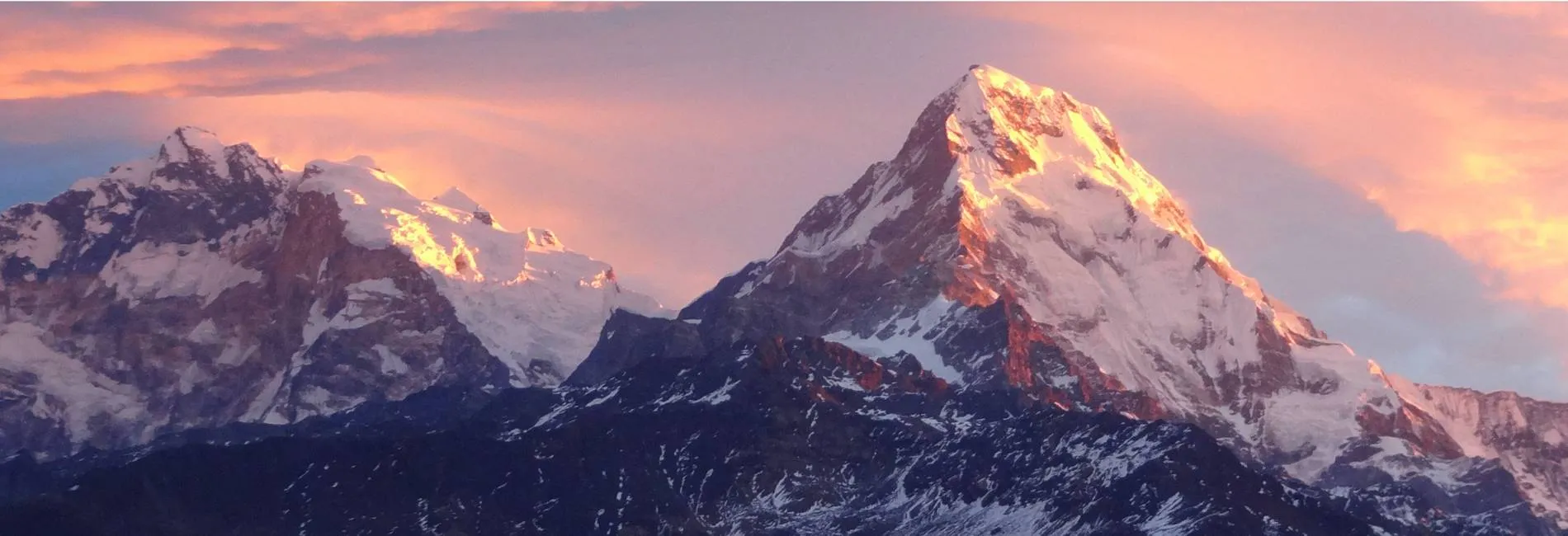
The trek's main highlight is the sunrise from Poon Hill, which offers a panoramic view of the majestic Annapurna and Dhaulagiri mountain ranges. The sight of the first light of day illuminating the snow-capped peaks is an unforgettable experience that attracts trekkers from around the world.
Along the way, trekkers pass through charming Gurung and Magar villages, where they can interact with the local communities and experience the warmth and hospitality of the Nepali people. The trek is rich in cultural immersion, with opportunities to visit traditional monasteries and learn about the local way of life.
The trail itself is well-maintained, with a gradual ascent that is suitable for trekkers of all ages and fitness levels. Dense rhododendron forests, especially during the spring season, add an extra layer of charm to the route. In addition to the awe-inspiring views and vibrant cultural experiences, trekkers also have the chance to explore the rich biodiversity of the region, including various species of birds and wildlife.
In just four days, the Ghorepani Poon Hill Trek offers a perfect blend of adventure, culture, and stunning natural beauty, making it a must-do trek for nature enthusiasts, photographers, and those looking to explore the heart of the Annapurna region.
GHOREPANI POON HILL TREK 4 DAYS Day-by-day ITINERARY
Your adventure begins with a scenic drive from Pokhara to Ulleri, which takes about 2-3 hours. From Ulleri, you'll start your trek, ascending through charming villages and terraced fields. As you gradually climb, the path takes you through dense rhododendron forests, offering glimpses of the stunning Annapurna range. After a steady 4-5 hours of trekking, you will reach Ghorepani, a beautiful village perched at an altitude of 2,750 meters. This is where you’ll spend the night in a local teahouse, soaking in the breathtaking mountain views. Ghorepani is known for its strategic position, providing stunning views of the Annapurna and Dhaulagiri mountain ranges.
The day begins early with a hike to the Poon Hill viewpoint for a magnificent sunrise. Poon Hill is one of the most famous viewpoints in the Annapurna region, located at 3,210 meters. As the sun rises, it bathes the snow-capped peaks in golden hues, offering a stunning panoramic view of the Annapurna, Dhaulagiri, Machapuchare, and other surrounding mountains. After savoring the incredible views, you return to Ghorepani for breakfast before trekking towards Tadapani. The trail descends through forests and picturesque villages, taking you to Tadapani, which sits at 2,710 meters. This village is known for its peaceful ambiance and fantastic mountain views, where you’ll spend the night.
After breakfast in Tadapani, you’ll begin your trek to Ghandruk, a vibrant Gurung village situated at 2,012 meters. The trail descends through lush forests and terraced fields, with constant views of the surrounding mountains. Ghandruk is a traditional village with stone houses and offers a unique glimpse into the culture of the local Gurung community. This is a great opportunity to learn about the local lifestyle and enjoy the warm hospitality of the villagers. You’ll have time to relax and explore the village before staying overnight in a local teahouse.
On the final day of your trek, you’ll begin with a descent from Ghandruk to Nayapul, which takes around 3-4 hours. The trail winds through forests, crossing suspension bridges and passing through small villages. Upon reaching Nayapul, you'll board a vehicle for a scenic drive back to Pokhara. The drive takes approximately 1-2 hours and offers fantastic views of the surrounding countryside. Once in Pokhara, you can relax and reflect on the incredible journey you've just completed, enjoying the vibrant lakeside atmosphere of the city.
GHOREPANI POON HILL TREK 4 DAYS INCLUDES & EXCLUDES
Cost Includes
- Transportation: Private car or jeep transportation between Pokhara and Nayapul.
- Accommodation: The best possible teahouse or lodge accommodation is generally in twin-sharing rooms.
- Meals: All standard meals—breakfast, lunch, and dinner—during the trek.
- Guide Services: Government-licensed English-speaking Sherpa Expedition and Trekking’s experienced and qualified trek leader. For groups of 8 or more trekkers, an additional assistant guide will be provided.
- Porter Services: Strong, helpful Sherpa porters with proper safety and walking equipment. Includes their salary, food, accommodation, and insurance (one porter for every two people).
- Coverage for Guides and Porters: Meals, insurance, salary, lodging, transportation, flights, and other necessary equipment for guides and porters.
- Permits: Annapurna Conservation Area Permit (ACAP) fee and Trekkers Information Management System (TIMS) card fee.
- Fresh Fruit: Fresh fruit provided every evening after dinner.
- Taxes and Official Expenses: All government, local taxes, and official expenses.
- Rescue Assistance: Assistance in arranging rescue operations for complicated health conditions (funded by travel insurance).
- Certificates and Souvenirs: Appreciation certificate and T-shirt from Sherpa Expedition and Trekking upon successful completion of the trek.
- Health Monitoring: Oxygen meter to check your pulse, oxygen saturation, and heart rate twice daily, helping to monitor symptoms of Altitude Mountain Sickness (AMS).
- Additional Support: An assistant guide for groups of 8 or more people.
Cost Excludes
- International Flight Airfare: The cost of flights from your home country to Nepal.
- Nepal Entry Visa Fee: Visa fees obtained on arrival at Tribhuvan International Airport, Kathmandu: $30 USD for 15 days, $50 USD for 30 days & $125 USD for 90 days
- Accommodation and Meals in Kathmandu & Pokhara: All accommodation and meals in Kathmandu before and after the trek.
- Lunch and Dinner in Kathmandu & Pokhara: Meals not covered during your stay in Kathmandu and Pokhara.
- Beverages and Extra Food on Trek: All alcoholic and non-alcoholic beverages, including soup, tea, coffee, hot chocolate, cocoa, mineral water, and extra food or drinks purchased along the trek.
- Personal Clothing and Gear: Costs for personal clothing and trekking gear.
- Travel Insurance: Insurance covering emergency high-altitude rescue and evacuation.
- Tips for Guide and Porters: Tips for your guide and porters.
- Additional Costs or Delays: Expenses arising from factors beyond management control, such as landslides, weather conditions, itinerary modifications, illness, changes in government policies, strikes, etc.
- Expenses Not Listed: Any costs not detailed in "cost includes."
- NOTE: If you return earlier from the trek due to sickness or any problem, the money you paid for the flight, hotel, mountain room, food, etc. is nonrefundable, and you will need to bear the expenses for the hotel, food, etc. in Kathmandu yourself.
GHOREPANI POON HILL TREK 4 DAYS Departures
Every departure listed below is 100% Guaranteed — once you book, your trip will run as scheduled regardless of group size.
Select a departure month
Fill out the form below and a Travel Expert will reach out to create your perfect tour.
ROUTE MAP OF GHOREPANI POON HILL TREK 4 DAYS
GHOREPANI POON HILL TREK 4 DAYS PACKING LIST
Clothing
- Trekking Boots: Comfortable, waterproof, and well-broken-in.
- Warm Jacket: Insulated or down jacket for higher altitudes and chilly evenings.
- Fleece Jacket: Lightweight and versatile for layering.
- Base Layers: Moisture-wicking thermal tops and bottoms.
- Trekking Pants: Quick-drying and comfortable.
- Rain Jacket: Waterproof and breathable.
- Hat: For sun protection and warmth (consider a sun hat and a warm beanie).
- Gloves: Warm gloves or mittens for colder weather.
- Socks: Several pairs of moisture-wicking trekking socks (consider a mix of thin and thick pairs).
- Sun Protection: Sunglasses with UV protection.
Gear and Accessories
- Daypack: Small, comfortable backpack for daily essentials.
- Sleeping Bag: Lightweight, compact, and suitable for temperatures around freezing.
- Trekking Poles: Adjustable poles to aid with stability and reduce impact on knees.
- Headlamp/Flashlight: With extra batteries.
- Water Bottle/Hydration System: Reusable water bottle or hydration bladder; consider bringing a water purification system or purification tablets.
Personal Items
- First Aid Kit: Include essentials like bandages, antiseptic, pain relievers, and any personal medications.
- Toiletries: Toothbrush, toothpaste, biodegradable soap, hand sanitizer, and other personal hygiene items.
- Sunscreen: High SPF to protect against sunburn.
- Lip Balm: With SPF to prevent chapped lips.
- Camera/Smartphone: For capturing memories; don’t forget extra batteries or a power bank.
Documents and Money
- Passport: Keep a copy of your passport with you.
- Cash: Nepalese Rupees (NPR) for expenses along the trek, as ATMs are not available in remote areas.
- Travel Insurance: Include coverage for trekking and medical emergencies.
Miscellaneous
- Snacks: Energy bars, nuts, or dried fruits for additional nourishment.
- Notebook and Pen: For journaling your trek experience.
Make sure to pack light but efficiently, as you’ll need to carry your essentials and any extras you might need along the trek.
Gallery of GHOREPANI POON HILL TREK 4 DAYS


GOOD TO KNOW ABOUT GHOREPANI POON HILL TREK 4 DAYS
The Ghorepani Poon Hill Trek is a fantastic option for those wanting to experience the beauty of the Himalayas without committing to a longer or more strenuous trek. Here are a few "Good to Know" facts about this trek:
Accessibility: The trek is accessible to most trekkers, including beginners, as it does not require technical mountaineering skills. It’s perfect for anyone looking to experience the Himalayas without extensive preparation.
Best Time to Go: The ideal seasons for the trek are spring (March to May) and autumn (September to November). During these times, the weather is mild, and the skies are clear, offering the best views.
Altitude Consideration: The highest point of the trek, Poon Hill, is at 3,210 meters (10,531 feet). Although this is not high enough to cause altitude sickness for most trekkers, it’s still important to ascend slowly and stay hydrated.
Accommodation: There are several guesthouses along the route, offering basic yet comfortable accommodations. The teahouses provide hot meals and shelter, ensuring trekkers have a safe and cozy place to stay during their journey.
Cultural Experience: Along the trek, you’ll encounter traditional villages where you can learn about the local Gurung and Magar cultures. The locals are friendly and often invite trekkers to share a meal or tea, making it a truly immersive experience.
Wildlife and Flora: The trail passes through lush forests filled with rhododendron trees (especially beautiful during spring), oak, and pine. You may also spot various species of birds and other wildlife, making it a great trek for nature lovers.
Fitness Level: While the trek is moderate in difficulty, it’s advisable to be in good physical condition to fully enjoy the experience. Short daily hikes, regular walking, and some stamina-building exercises can help prepare you for the trek.
This trek is an unforgettable journey, perfect for those looking to experience Nepal’s natural and cultural wonders in a short time.
RELATED PACKAGES


FAQS Related to GHOREPANI POON HILL TREK 4 DAYS
Others
The Ghorepani Poon Hill Trek is considered moderate in difficulty. It involves a gradual ascent with some steep sections, but it is suitable for beginners with a reasonable level of fitness.
The trek typically takes 4 days, with 3-4 hours of walking each day. The exact duration can vary depending on your pace and the number of rest stops you take.
The best times to trek are during the spring (March to May) and autumn (September to November) when the weather is clear, and the views are at their best.
The highest point of the trek is Poon Hill at 3,210 meters (10,531 feet). This is not high enough to cause significant altitude sickness for most trekkers, but it’s important to ascend slowly and stay hydrated.
While the Ghorepani Poon Hill Trek is well-marked and can be done independently, hiring a local guide or porter can enhance the experience, especially for cultural insight and help with navigation in remote areas.
Accommodation is available in basic teahouses along the route, offering simple rooms with shared bathrooms. Meals are served in the teahouses, and the food is typically Nepali-style or continental.
While the Ghorepani Poon Hill Trek is relatively safe, it’s always recommended to trek with a group or hire a guide for safety, especially if you are trekking alone for the first time in Nepal.
Essential items include trekking boots, a sleeping bag, layered clothing, a rain jacket, sunscreen, a hat, a water bottle, and a first aid kit. Packing light is important, as you’ll need to carry your own gear.
Yes, you can find internet access and phone reception in most villages along the trek, but the service can be slow and expensive. It’s best to disconnect and enjoy the natural beauty.
The trek passes through forests and areas with rich biodiversity. You may spot various bird species, monkeys, and occasionally other animals like deer, along with diverse plant life such as rhododendron, oak, and pine trees.
Latest Traveller’s Reviews
Travel experiences of our clients who recently returned from their trips.
100% of travellers recommend this trip
Based On 5354 Reviews
THANKS!
Amazing Experience!
Professional Trek, Heartfelt Memories – Led by Tshering

Write Your Review
Average Customer Ratings
How The Travellers Have Rated This Package
5246
106
2
0
0


