04th September, 2026
Sep 04, 2026
Is Everest Base Camp Trek Worth It? An Honest 2026 Review
Somewhere above 5,000 meters, things get quiet in a weird way. Not silent but the wind's still moving, prayer flags still snapping in it, your own breathing gets loud enough in your ears that everything else kind of fades out. Ahead of you, the Khumbu Icefall. A slow, broken wall of ice that's been sitting there longer than anyone can really picture. Behind you, days of it are small villages, yak trains blocking the trail, way too many cups of milk tea just to keep your fingers from going numb. This is basically what people sign up for when they book the Everest Base Camp trek. No summit at the end. No medal. Just this one long walk toward something way bigger than you are.
So before you start pricing out flights to Kathmandu off some video you watched, it's worth actually knowing what this trek is like. What the days feel like. What it costs once every tea house bill gets added up. And who actually comes back saying it was worth it, versus who just says that because of what they spent on it.
What Is the Everest Base Camp Trek, Really?
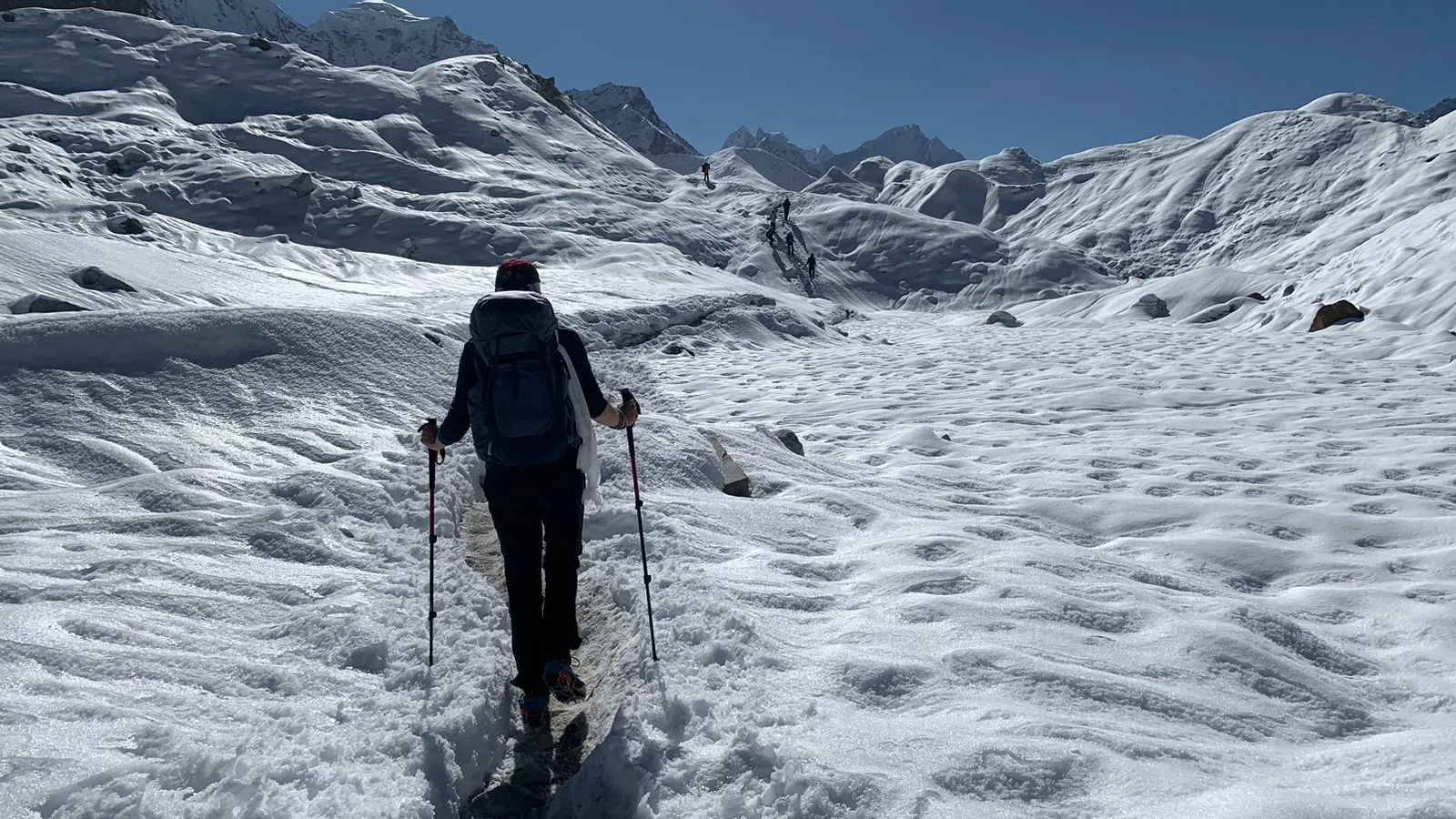
First thing you're not climbing Everest. People assume that a lot, honestly. It's not. No oxygen tanks, no ropes, nobody's getting anywhere near the actual summit on this one. It's basically a walk up to where the mountain starts. Roughly 130 km, there and back, through the Khumbu region in Nepal. That's the whole thing really.
Most people start with a flight into Lukla. It's a small airstrip, stuck right into the side of a mountain, tilted enough that pilots need separate training just for that runway alone. Once you land there though, no more flying, no more anything like that. Everything after Lukla is on foot.
The days kind of blur into a pattern after a while. Five hours of walking, sometimes six. Pine forest in the beginning. Then bridges hanging over rivers that are really just glacier melt, moving fast and loud underneath. Stone houses show up along the way, yaks just standing around eating grass, not bothered by any of it. Each stop is a little higher than the last, and a little colder too. Namche Bazaar comes early on, the big town up there, kind of the hub for Sherpa life, bakeries, gear shops, the works. After that comes Tengboche, a monastery sitting up on a ridge, then Dingboche, then Lobuche. By Lobuche the trees are basically done. Just rock from there.
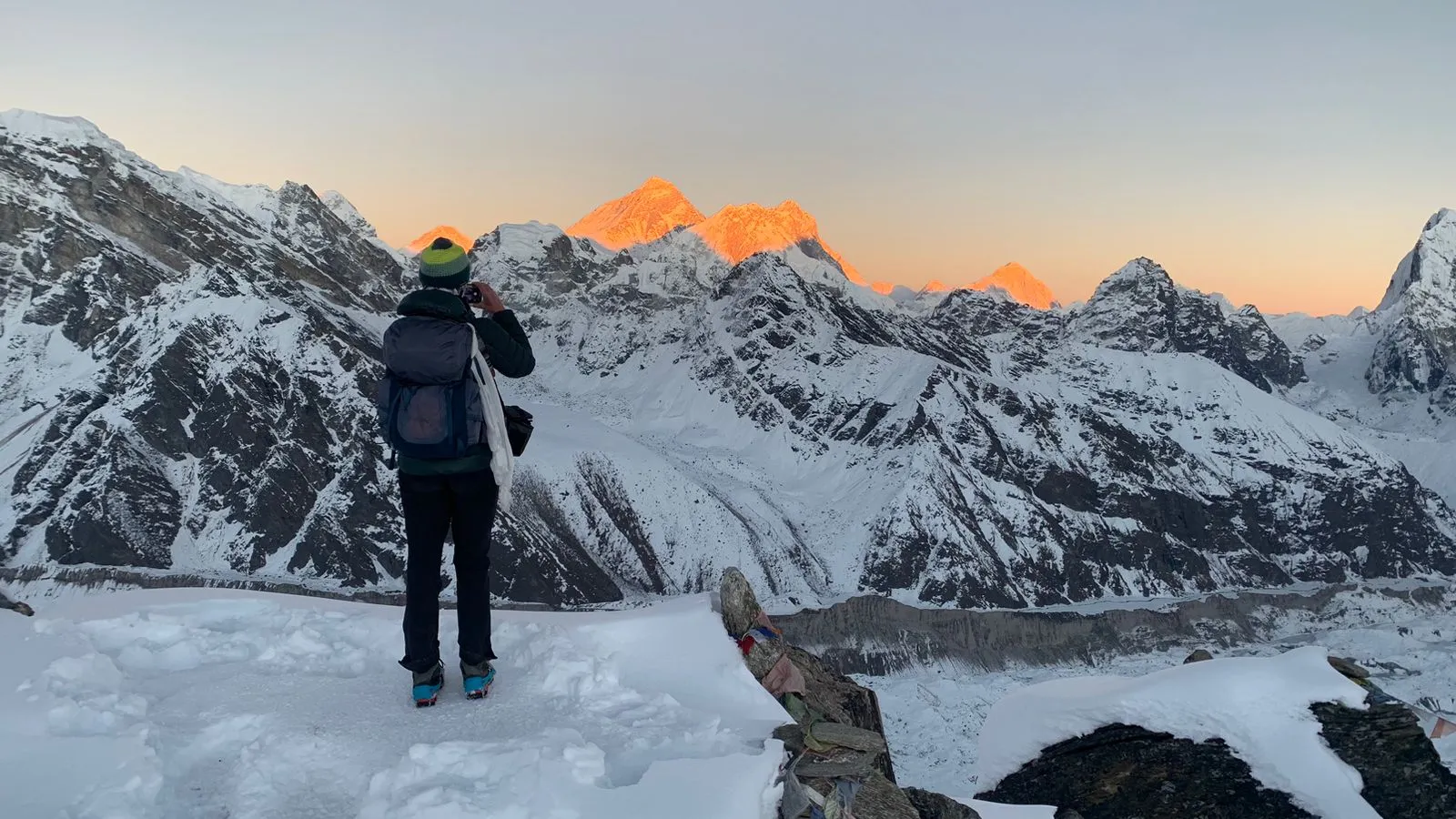
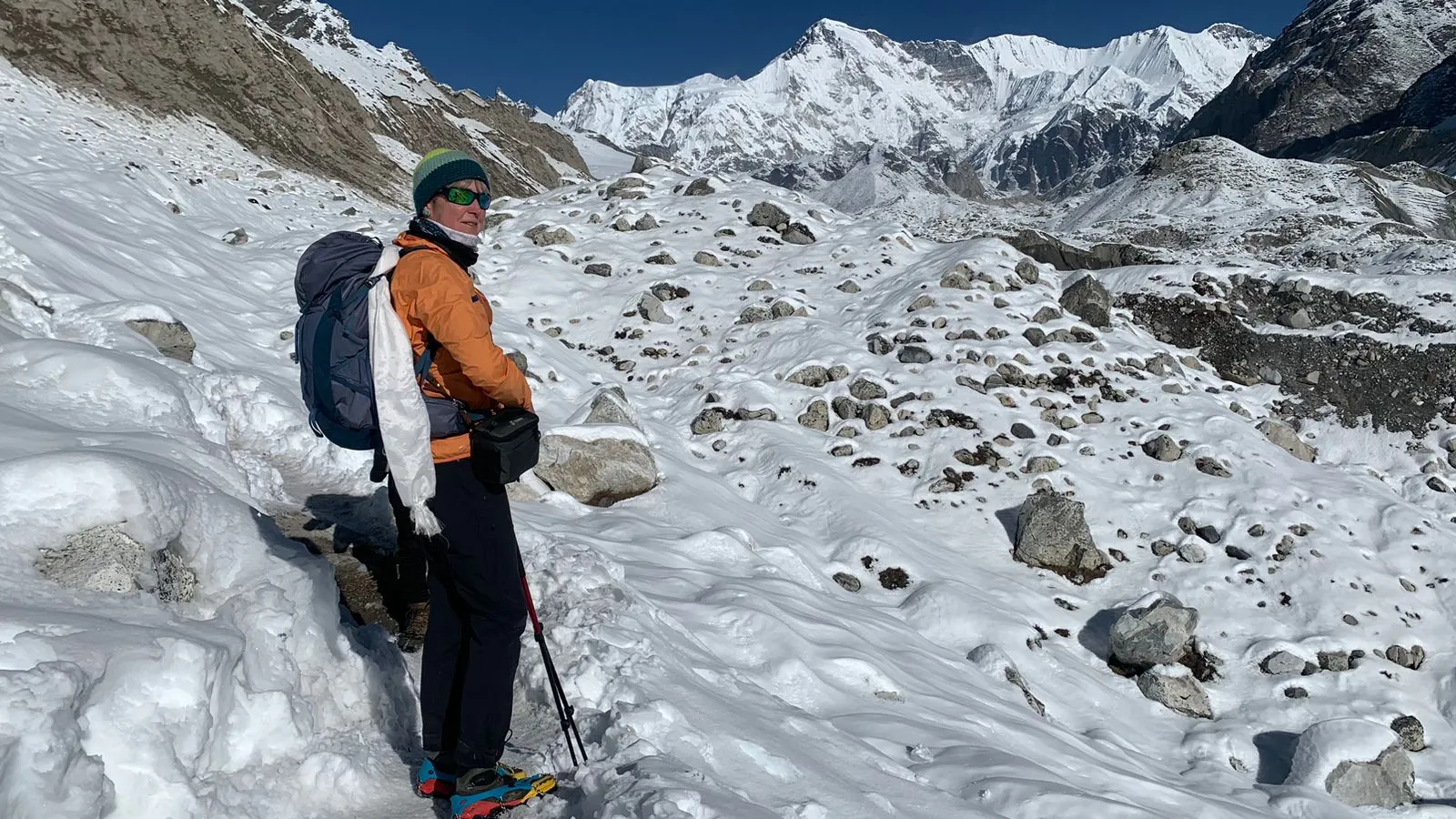
Base Camp sits at 5,365 meters. Nothing really marks it. No flag, no sign, nothing dramatic like the name suggests. Just prayer flags tied to rocks, ice groaning somewhere underneath, and the Icefall sitting right there, close enough to hear it move
sometimes. Most trekkers also go up to Kala Patthar nearby, and that view of Everest is honestly better than the one from Base Camp itself. Calling it a hike feels wrong somehow. It's closer to two weeks of the body figuring out thin air, plus whatever the weather decides to throw at it that day. Ready for the difficulty section?
How Hard Is the Everest Base Camp Trek?
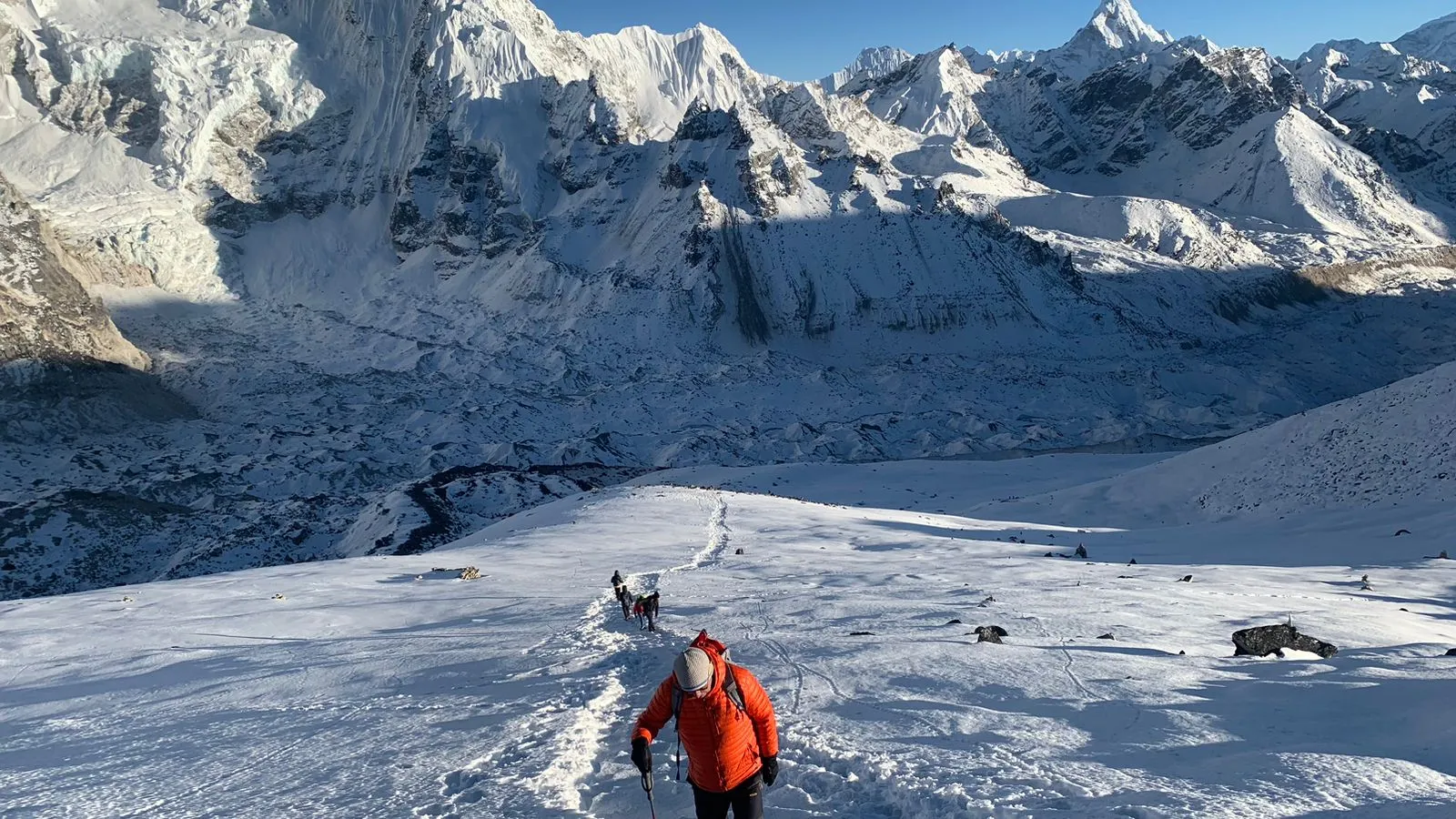
This is where most people get it wrong in the other direction. Not a summit climb, sure, but also not some easy walk in the park either. Somewhere in the "in between" part is where altitude does most of the damage.
Physically, the walking itself isn't extreme. Five, six hours a day, mostly gradual, nothing technical, no ropes or crampons needed for the standard route. Someone reasonably fit could handle the terrain without much trouble. The problem is what happens above 3,000 meters or so, where the air just has less oxygen in it, and the body hasn't caught up yet.
Altitude sickness is the real risk here, not tired legs. Headaches, nausea, trouble sleeping, that shows up regardless of fitness level. Plenty of marathon runners get hit harder by altitude than people who barely exercise, because it has nothing to do with cardio and everything to do with how a particular body handles thin air. That's part of why good itineraries build in rest days at places like Namche Bazaar and Dingboche. Not for sightseeing, mostly — for the body to adjust before climbing higher.
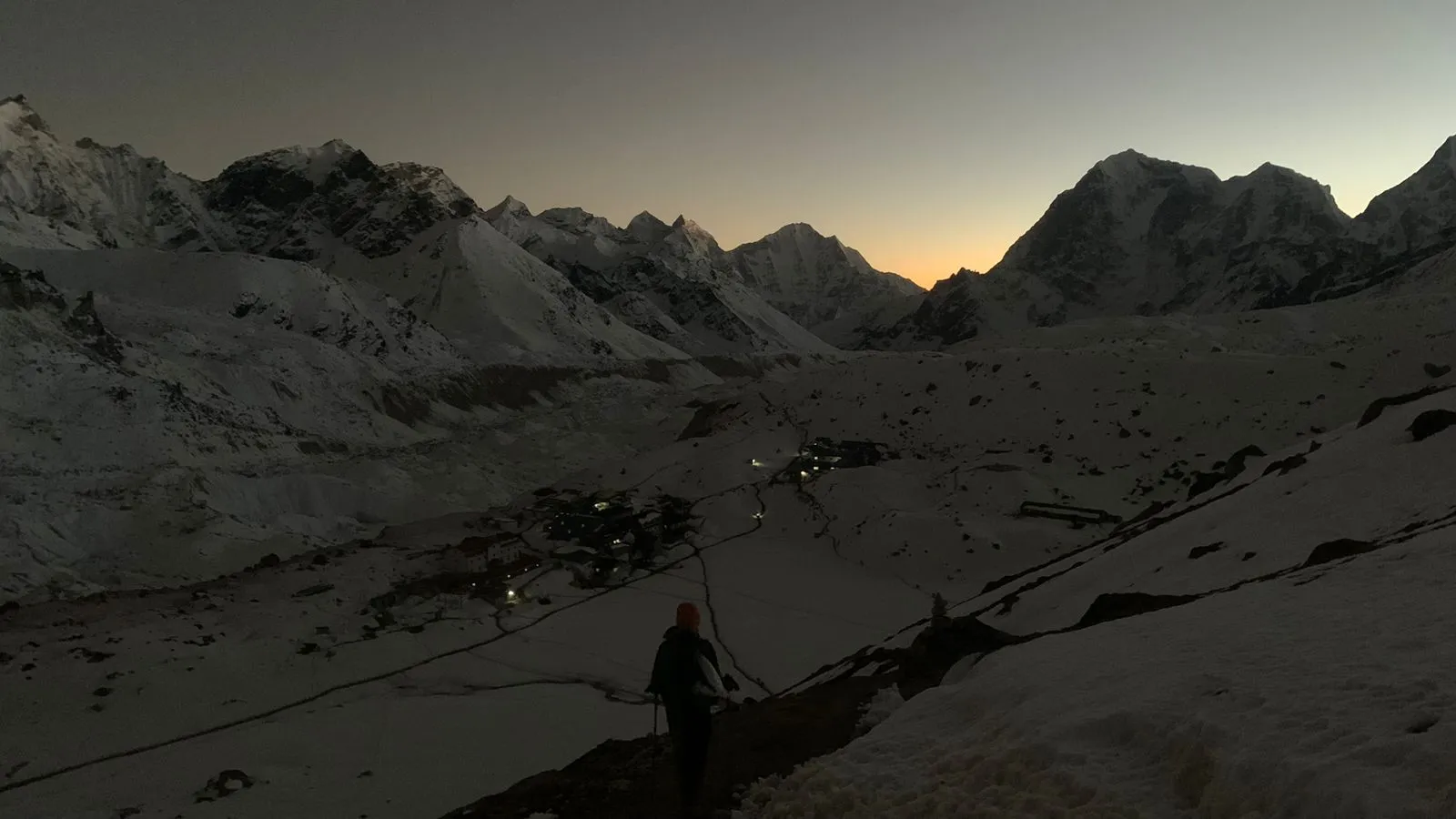
The cold is another factor that surprises people. Mornings can be brutal, tea houses aren't heated the way hotels are, and water bottles freeze overnight without much warning. Layering matters more than people expect going in.
Then there's just the length of it. Ten to fourteen days is a long time to keep pushing forward, day after day, especially once fatigue starts stacking up around day seven or eight. It's less about any single hard day and more about the cumulative grind of doing it again and again. So difficulty-wise: moderate on paper, harder in practice, and altitude is the actual wildcard nobody controls no matter how much they train beforehand.
Everest Base Camp Trek Cost in 2026
Here's the number nobody puts in the ad. Budget $950 to $1,500 for the guided package alone. Trek length decides where you land in that range.
Nine days, skip a rest day or two, and it's cheap around $950. Risky though. Altitude doesn't check your calendar before it hits. A 12 day trip, better paced, runs $1,150 to $1,190. Go 14 or 15 days, most guides push this one for first timers and it's $1,250 to $1,290. That price usually covers Kathmandu hotel nights, both Lukla flights, a guide, a porter, permits, and three meals a day on the trail.
Group size hits the number harder than most people think. Solo, no one to split porter or transport cost with, price can climb near $1,490. Bring four or five people, it drops. Past a group of 19, people are often paying under $1,150 each.
What's missing from the brochure matters too. Kathmandu meals, on you. Visa, $30 to $125, depends how long you're staying. Insurance isn't bundled in, and skipping it is a bad move, a helicopter pulling you off the mountain without coverage can wreck a bank account in one afternoon. Additional Accommodations differ from shower $3 to $5, price climbs with the altitude. Charging a phone, about the same. Wifi, extra. Dal bhat costs more every village up, because someone carried those lentils uphill on their back.
Stack it all with flights, visa, insurance, daily extras, on top of the package where most people land near $1,500 to $2,500 total by the time they're home. Visit SherpaExpeditionandTrekking.com for price breakdown by exact trek length, good to check before locking anything in.
The Sherpa Culture You Don't Expect
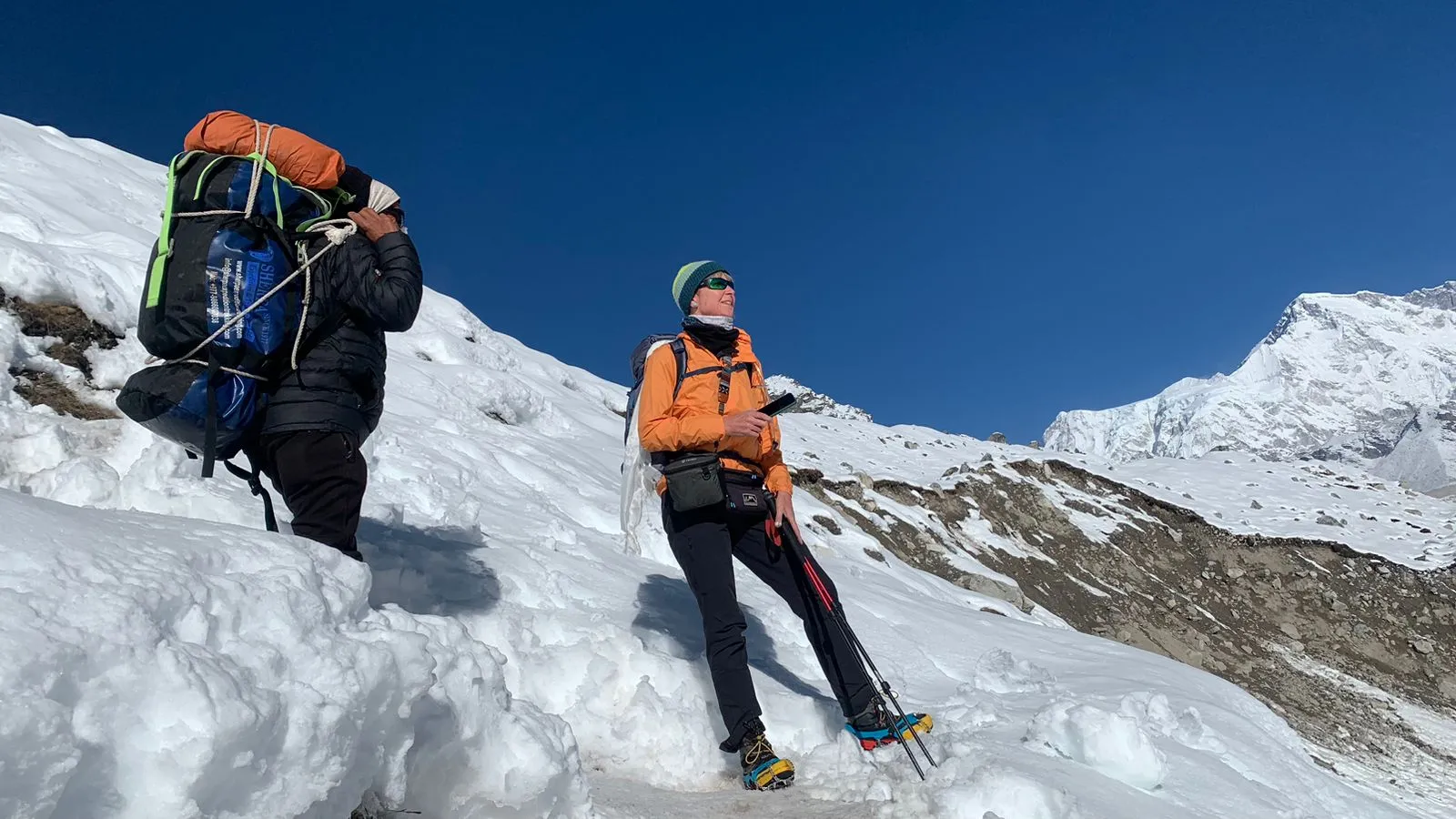
Most people book this trek for the mountain. They leave talking about the people instead.
Namche Bazaar is where it starts. Everyone calls it the Sherpa capital, fair enough too. Bakeries built right into the hillside, gear shops stacked three deep, a Saturday market pulling traders up from lower villages. Doesn't feel like a mountain outpost at all. Feels more like an actual town, one that just happens to sit at 3,440 meters.
Tengboche shifts the mood completely though. Monastery right on the ridge there. Walk in at the right moment and monks might be mid-chant, no performance to it, no schedule built around tourists watching. Just monks doing what's been done there for generations. Prayer flags snapping outside, incense drifting through the courtyard. Feels less like sightseeing, honestly. More like getting let into something for a minute that wasn't really meant for outsiders.
Mani walls and chortens show up the whole way with stacked stones carved with prayers, small shrine structures between villages. Local custom, walk past on the left, clockwise. Then there's the hospitality part, which somehow gets talked about less than it should. Guides and porters carry more than gear up that trail. A lot grew up in these exact villages. Know the families running the teahouses. Translate more than just language with customs, small unspoken rules, moments a trekker would otherwise just walk past without noticing. Warm tea shows up before anyone even asks for it. Rooms feel cared for, even at 4,000 meters, where almost nothing else does.
Buddhism runs underneath all of it, quietly. Woven into greetings, into how villages get laid out, into the rhythm of everyday life up there. Somewhere around Dingboche or Pangboche it stops being background scenery. Starts feeling like the actual heartbeat of the whole trek.
Ask people afterward what stuck with them most, plenty won't say Everest. They'll say the monks at Tengboche. Or a guide's family story. Or a teahouse owner who remembered their name by day nine.
Best Time to Trek Everest Base Camp
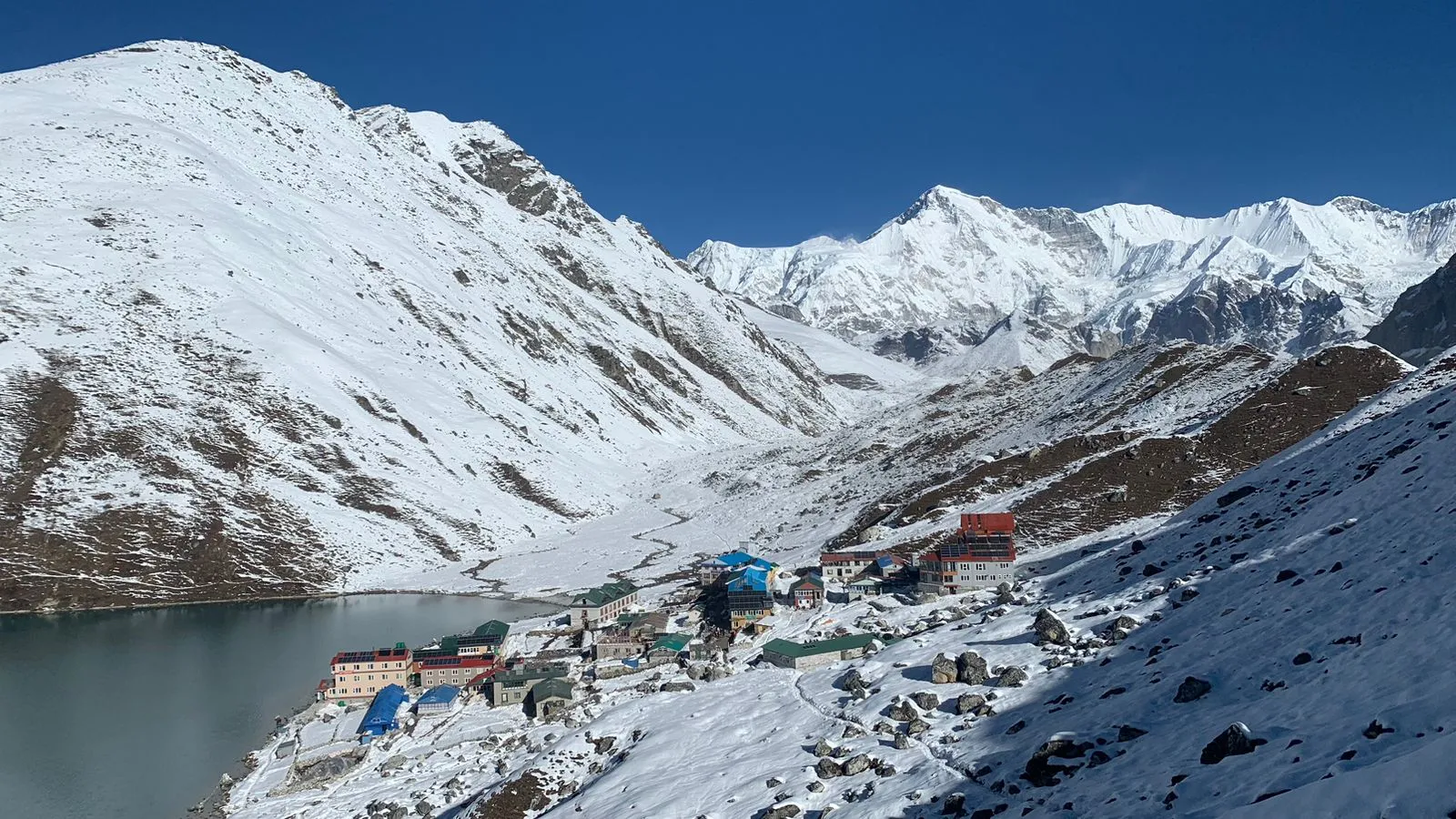
Two seasons get recommended over and over, and there's a reason for that. Spring and autumn.
Spring runs March through May. Rhododendrons start blooming on the lower trails around March, which sounds like a small detail until they're actually in front of you. A whole hillsides going pink and red. Mornings stay cold, days warm up decently, skies tend to stay clear for good mountain views. By May, Pre-monsoon humidity creeps in, afternoons get a bit cloudier, but mornings still deliver.
Autumn, September through November, is probably the more popular pick overall. October especially. Monsoon rains have just cleared out, skies go crisp, visibility is about as good as it gets on this trek. Trails do get busy though, teahouses fill up fast, so booking ahead matters more in October than almost any other month.
Then there's winter and monsoon, which most guides steer people away from, though not for identical reasons. Monsoon, June through August, brings rain, mud, slippery trails, and a real chance of flight delays into Lukla; that airstrip doesn't tolerate bad weather well. Winter, December through February, swings the other direction. Bitter cold especially above 4,000 meters, sometimes dropping well below zero. Trails get quieter, almost peaceful in a strange way, but the gear list gets heavier and the days get shorter.
None of this makes spring or autumn some magic guarantee though. Weather in the Himalayas does what it wants regardless of the calendar. But picking one of those two windows stacks the odds in favor of clear views, stable trails, and fewer surprises which on a trek already asking a lot of the body is worth something.
Is Everest Base Camp Overrated?
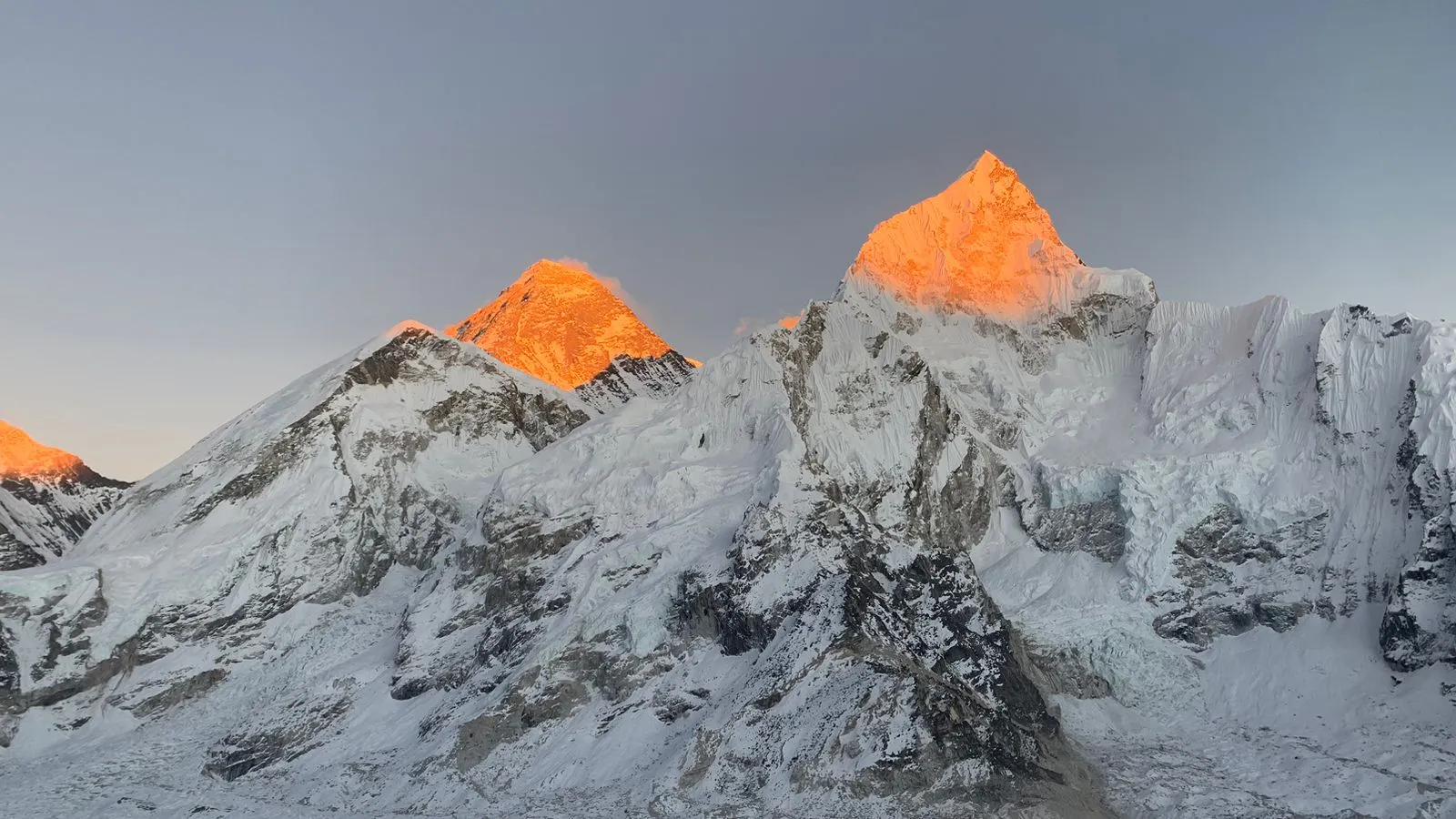
Short answer, no. Longer answer, it depends what someone showed up expecting.
Solitude seekers get burned first. Autumn on this trail can feel more like a busy Tuesday commute than a wilderness escape, teahouses booked solid, sunrise viewpoints packed shoulder to shoulder, other trekkers everywhere you look. Anyone picturing silence and empty mountainsides picked the wrong month, maybe the wrong trek.
Comfort seekers, same problem. Rooms are thin-walled and basic. One stove in the dining room usually does all the heating for the whole building. Hot showers cost extra the higher up you climb, and half the time the water barely gets warm anyway.
Then there's the view itself, which trips up almost everyone. Base Camp doesn't actually show off Everest, other peaks block it from that exact spot. Most people find this out after they've already arrived, a little confused, cameras out, nothing to point them at. Kala Patthar fixes it, but that's an extra climb nobody mentions until you're deep into day nine or ten.
So fair enough, if solitude or comfort or a postcard Everest shot was the goal, disappointment's basically guaranteed.
Except that's rarely why people actually go. What they get instead is two weeks moving through Sherpa villages, past monasteries that have been standing since long before anyone had a phone to photograph them, surrounded by mountains that make everything back home feel smaller somehow. People chasing that particular thing tend to come back a little different. Not let down. Just changed in some way they usually can't fully explain.
Misunderstood is probably closer to the truth than overrated. People who love this trek walked in knowing exactly what it was.
Final Verdict, Is It Worth It?
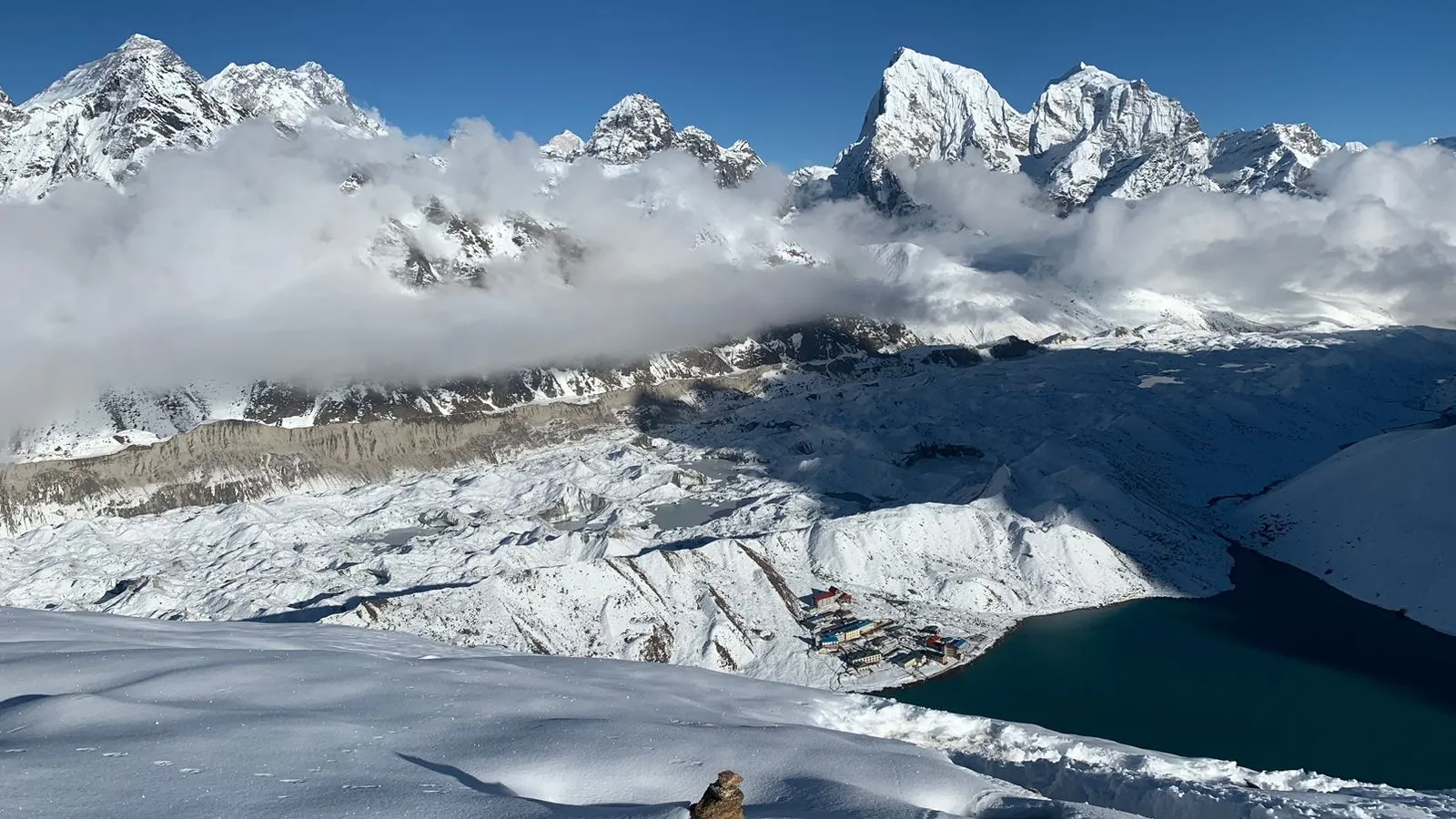
Yes. That said, the "yes" comes with a few things worth saying plainly.
Two weeks of discomfort isn't optional here. Cold mornings, thin walls, a body that ends up more tired than any gym routine really prepares someone for. Anyone hoping for five-star comfort, or a quiet trail with no one else on it, should probably look at a different trip.
On the money side, somewhere between $1,500 and $2,500 covers most people once flights, permits, insurance, and daily extras all get counted. Insurance is one place not to cut back. Altitude doesn't make exceptions for anyone's budget, and a rescue from that high up without coverage can turn expensive fast.
Timing matters as well, though less complicated than it sounds. Spring and autumn offer the best odds for clear skies and steady trails. Book outside those months, and the weather stops cooperating with anyone's plans.
None of that is really the point though. The actual reason this trek holds up has less to do with reaching 5,364 meters and a handful of prayer flags, and more to do with who a person becomes somewhere around day nine, legs aching, breathing harder than usual, standing near the Khumbu Icefall next to people who were strangers a week before. A spreadsheet won't capture that part. Years later, it's usually the part people still bring up, long after the cold and the expense have turned into just a story worth telling.
So yes. For someone walking in with realistic expectations, this trek earns its reputation, and then some.
Ready to Start Planning?
There's a real difference between reading about Everest Base Camp and actually standing there. So if this trek has been sitting on a bucket list somewhere, here's the simple version of what comes next. Pick a season. Book with people who actually know this route. Let the trek take care of the rest.
Sherpa Expedition and Trekking has been running this same trail for decades now. Guides who grew up in these villages, packages built around real acclimatization instead of rushing anyone to the top. Worth checking before dates get locked in.
Everest Base Camp isn't going anywhere anytime soon. Really just comes down to when.


