02nd April, 2026
Dec 07, 2025
Winter Annapurna Circuit Trek
- 🌨️ Why Winter Annapurna Circuit Trek is Special
- 🌄 In-Depth 15-Day Itinerary With Rich Descriptions
- Day 1: Arrival in Kathmandu – The City of Temples
- Day 2: Drive From Kathmandu to Syange (1,130m)
- Day 3: Trek From Syange to Dharapani (1,860m)
- Day 4: Dharapani to Chame (2,650m)
- Day 5: Chame to Pisang (3,300m)
- Day 6: Pisang to Manang (3,500m)
- Day 7: Acclimatization in Manang – Explore the Himalayan Heartland
- Day 8: Manang to Yak Kharka (4,050m)
- Day 9: Yak Kharka to Thorong Phedi (4,500m)
- Day 10: Thorong La Pass (5,416m) → Muktinath (3,400m)
- Day 11: Drive Muktinath to Tatopani (1,300m)
- Day 12: Tatopani to Ghorepani (2,870m)
- Day 13: Poon Hill Sunrise → Nayapul → Pokhara
- Day 14: Drive Pokhara to Kathmandu
- Day 15: Final Departure – Farewell Nepal
- 🧭 Additional Deep Explanations & Information
- Cultural Experience Along the Trek
- Flora & Fauna in Winter
- 💰 Detailed Trekking Cost Overview
- 📦 Extremely Detailed Winter Packing List
- 🔒 Safety Tips for Winter Trekking
- ⭐ Final Thoughts: A Once-in-a-Lifetime Winter Adventure
The Winter Annapurna Circuit Trek is more than just a trek—it's an extraordinary blend of Himalayan wilderness, ancient culture, spirituality, and raw natural beauty. When winter drapes the landscape in a pristine layer of snow, the Annapurna region transforms into a breathtaking world of stillness and purity.
Imagine waking up to a golden sunrise touching the icy peaks of Annapurna and Dhaulagiri, the sound of prayer flags fluttering, the crisp winter air filling your lungs, and the thrill of crossing the legendary Thorong La Pass—the highest trekking pass in the world. Winter offers a rare version of this world-famous trek that few travelers get to experience.
This blog is your ultimate guide, packed with deeper descriptions, traveler insights, benefits, safety tips, cultural notes, packing lists, and a complete 15-day itinerary built for winter conditions.
🌨️ Why Winter Annapurna Circuit Trek is Special
While the Annapurna Circuit is popular year-round, winter brings out its most peaceful, magical, and dramatic version. The crowds disappear, the sky turns crystal-clear, and the mountains shine brighter than ever.
Deeper benefits of trekking in winter
1. Mesmerizing Snow-Covered Landscapes
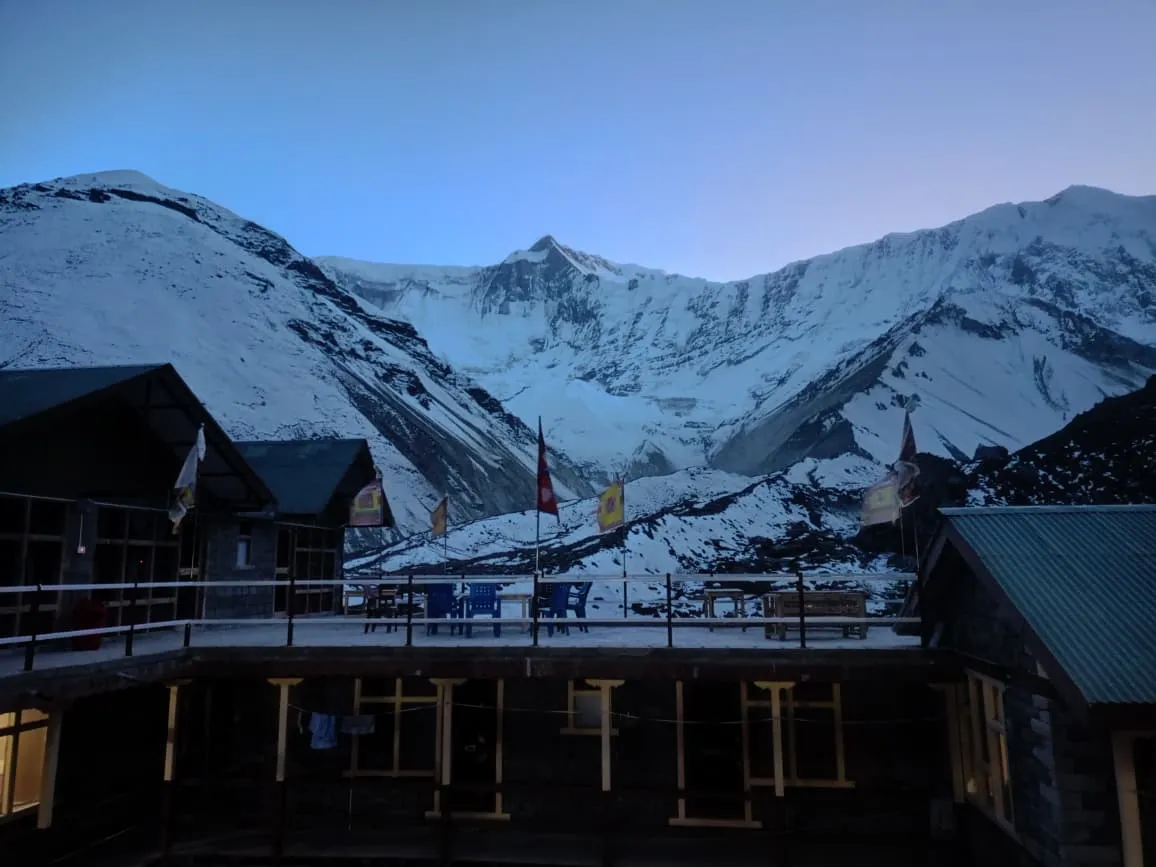
Winter creates postcard-perfect scenery—snowy pine forests, frozen waterfalls, white-roofed villages, and glistening Himalayan giants.
2. Crystal Clear Mountain Vistas
Low moisture levels create the clearest views of the year. The peaks look incredibly sharp, glowing under the winter sun.
3. A Quiet, Soulful Trekking Experience
Unlike peak season, you often have the trails to yourself. This solitude allows deeper reflection and a more emotional connection to nature.
4. Better Accommodation & Warm Hospitality
With fewer trekkers, teahouses offer warmer rooms, flexible meal options, and deeply heartfelt hospitality.
5. Authentic Cultural Encounters
Winter is the time when locals slow down. You’ll have more time to talk, learn, and understand Tamang, Gurung, and Tibetan-influenced cultures.
6. Perfect Photography Opportunities
Whether it’s sunrise on Annapurna, starlit nights in Manang, or the iconic prayer flags against snowy trails—winter makes every moment picture-perfect.
🌄 In-Depth 15-Day Itinerary With Rich Descriptions
Day 1: Arrival in Kathmandu – The City of Temples
Kathmandu welcomes you with its vibrant streets, ancient temples, prayer wheels, and warm Nepali smiles. You’ll settle into your hotel, explore Thamel, and prepare your gear for the Himalayan adventure.
Day 2: Drive From Kathmandu to Syange (1,130m)
Duration: 7–8 hours
A scenic drive leads you through rolling hills, terraced farms, local towns, and the beautiful Marsyangdi River valley. The final stretch becomes more rugged as you enter the gateway of the Annapurna Region.
Day 3: Trek From Syange to Dharapani (1,860m)
Duration: 5–6 hours
Your trek begins gently. Walk through charming villages, cross suspension bridges, pass cascading waterfalls, and enjoy lush green landscapes slowly transitioning into alpine terrain.
Day 4: Dharapani to Chame (2,650m)
Duration: 5–6 hours
The trail passes through thick forests of oak, pine, and fir. The higher altitude welcomes you with cool air and incredible views of Manaslu and Annapurna II. Chame’s hot springs and village charm make this night relaxing.
Day 5: Chame to Pisang (3,300m)
Duration: 5–6 hours
A dramatic walk through narrow gorges, wooden bridges, and icy winter landscapes. As you ascend, the mountains feel closer than ever. Pisang offers panoramic views and a quiet mountain village atmosphere.
Day 6: Pisang to Manang (3,500m)
Duration: 6–7 hours
Choose the lower route for an easier walk or the upper route for breathtaking views of the entire Annapurna range. Manang is one of the most culturally rich villages, surrounded by peaks, yak pastures, and ancient monasteries.
Day 7: Acclimatization in Manang – Explore the Himalayan Heartland
Spend the day exploring:
- Gangapurna Lake
- Ancient monasteries
- Local Tibetan-influenced lifestyle
Manang is quiet and beautifully covered in snow during winter, making it the perfect acclimatization stop.
Day 8: Manang to Yak Kharka (4,050m)
Duration: 4–5 hours
The trail gradually ascends through yak pastures, snowy ridges, and river valleys. The air becomes thinner and colder. The peaceful silence of the mountains is unforgettable.
Day 9: Yak Kharka to Thorong Phedi (4,500m)
Duration: 3–4 hours
A challenging but short ascent. Thorong Phedi is the last stop before crossing Thorong La Pass. The terrain becomes harsher, the wind colder, and oxygen levels lower—prepare for the big day tomorrow.
Day 10: Thorong La Pass (5,416m) → Muktinath (3,400m)
Duration: 8–9 hours
The most thrilling and challenging day.
You start early—around 4 AM. The stars are bright, the snow crunches under your feet, and a cold breeze blows. Slowly, step by step, you reach the top of Thorong La Pass, decorated with prayer flags and surrounded by 360° Himalayan glory.
The descent to Muktinath brings spiritual energy—this sacred temple is a pilgrimage site for both Hindus and Buddhists.
Day 11: Drive Muktinath to Tatopani (1,300m)
Duration: 5–6 hours
Enjoy a scenic drive through the Kali Gandaki Gorge, the deepest gorge in the world. Tatopani offers rejuvenation in natural hot springs—a perfect reward after the summit day.
Day 12: Tatopani to Ghorepani (2,870m)
Duration: 7–8 hours
A long uphill trek through rhododendron forests, charming villages, and farm terraces. In winter, the forests look magical with occasional snow dusting the trees.
Day 13: Poon Hill Sunrise → Nayapul → Pokhara
Duration: 7–8 hours
The sunrise from Poon Hill is legendary. Watch the peaks turn golden as the morning sun touches Dhaulagiri, Annapurna, and Machhapuchhre. After descending, drive to Pokhara for lakeside relaxation.
Day 14: Drive Pokhara to Kathmandu
A scenic ride back to Kathmandu. Enjoy your last evening shopping or exploring the heritage sites.
Day 15: Final Departure – Farewell Nepal
Your winter trekking journey ends with unforgettable memories of snow-capped peaks and Himalayan kindness.
🧭 Additional Deep Explanations & Information
Cultural Experience Along the Trek
The Annapurna region is home to diverse ethnic groups including:
- Gurung
- Tamang
- Thakali
- Tibetan-influenced communities
Explore ancient monasteries, stupas, Mani walls, and prayer wheel paths. Winter is especially peaceful, giving you more space to connect with local lifestyles.
Flora & Fauna in Winter
Winter reduces wildlife activity, but you may still spot:
- Blue sheep
- Himalayan Griffon vultures
- Snow pigeons
- Yak caravans
- Mountain goats
Forest areas feature rhododendron, oak, juniper, and pine—all beautifully frosted with snow.
💰 Detailed Trekking Cost Overview
- Budget Travelers: $900–$1,100
- Mid-range Travelers: $1,200–$1,500
- Luxury/Private: $1,600+
This includes permits, guide, porter, food, accommodation, transportation, and gear rentals.
📦 Extremely Detailed Winter Packing List
Upper Body
- Heavy-duty down jacket
- Base layers (thermal top & bottom)
- Fleece mid-layer
- Windproof shell jacket
- Woolen sweaters
- Neck gaiter or scarf
Lower Body
- Trekking pants (water-resistant)
- Thermal trousers
- Waterproof overpants
- Wool socks (4–5 pairs)
Footwear
- Trekking boots (insulated, waterproof)
- Snow gaiters
- Microspikes
Accessories
- Sunglasses (anti-glare for snow)
- Headlamp
- Hand warmers
- Reusable water bottle
Sleeping
- Sleeping bag (−20°C rating)
- Warm liner
Miscellaneous
- Trekking poles
- Snacks
- First aid kit
- Personal hygiene kit
🔒 Safety Tips for Winter Trekking
- Always check weather updates before crossing Thorong La.
- Start early to avoid afternoon winds.
- Walk slowly; ascend gradually.
- Hydrate continuously.
- Avoid alcohol at high altitude.
- Use microspikes in icy sections.
- Hire a guide for extra safety.
⭐ Final Thoughts: A Once-in-a-Lifetime Winter Adventure
The Winter Annapurna Circuit Trek is one of the most rewarding Himalayan experiences. From snowy landscapes to peaceful trails, from spiritual villages to breathtaking peaks—every step of this journey is filled with magic.
This trek challenges your physical endurance, enriches your soul, and allows you to experience the Himalayas in their purest, quietest, and most majestic form.


