ISLAND PEAK CLIMBING


ISLAND PEAK CLIMBING
Sherpa Expedition & Trekking (Est.1977) are pleased to announce FOR ADVENTURERS the most awesome, exhilarating & unforgettable climbing and treks on offer anywhere today!
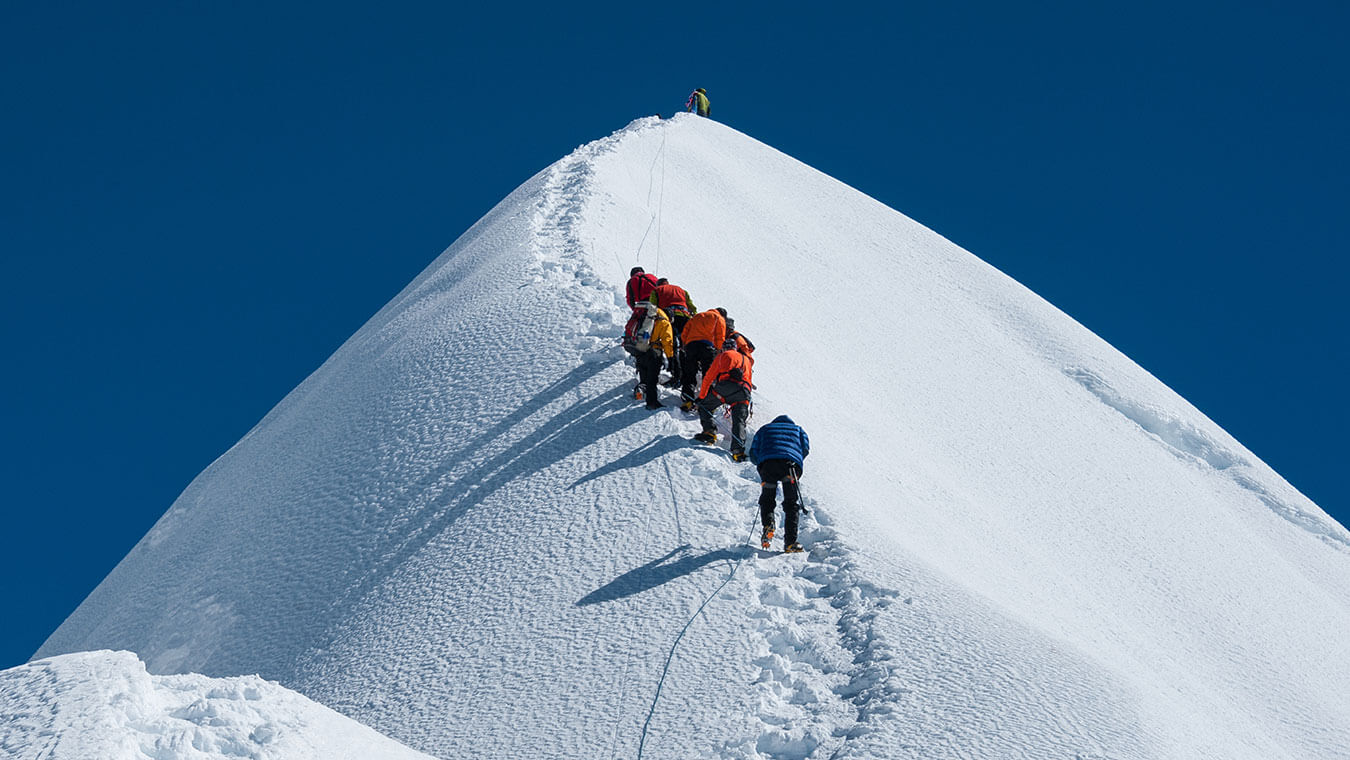
Island Peak, also known as Imja Tse, stands as one of the most iconic trekking peaks in Nepal. Situated in the Everest region, it reaches an elevation of 6,189 meters (20,305 feet), offering climbers a challenging yet rewarding experience. The peak’s name derives from its appearance when viewed from Dingboche—a small island rising from a sea of ice.
The journey to Island Peak begins with a trek through the stunning Khumbu Valley, where climbers pass through traditional Sherpa villages and lush forests before reaching the alpine landscape. The trek is as much a cultural exploration as it is a physical challenge, with opportunities to visit ancient monasteries and experience the vibrant local traditions.
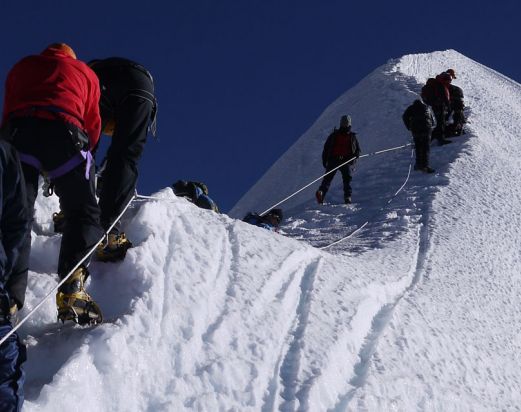
Reaching the base camp of Island Peak is a significant achievement in itself, but the true test lies in the ascent. The climb involves a mix of technical skills, including the use of ice axes and crampons, and navigating steep, snowy slopes. The summit push requires both physical endurance and mental fortitude, but the panoramic views of the surrounding peaks, including Everest, Lhotse, and Makalu, make the effort worthwhile.
Island Peak climbing is not just about reaching the summit; it’s about immersing oneself in the breathtaking beauty of the Himalayas, embracing the challenge, and experiencing the camaraderie of fellow adventurers. For many, it’s a life-changing journey that combines adventure, culture, and personal achievement.
Key Features & highlights of climbing Island Peak
- The Island Peak climb at an altitude of 6189m in the famous Khumbu region.
- Amazing, mountain views from Island Peak Summit.
- View expansive areas of glaciers, ice, and in-your-face mountain peaks.
- Use professional equipment such as crampons and karabiners.
- Gain experience in a ‘real’ mountain climbing environment.
- A unique adventure and experience of camping at Island Peak Base camp.
- Safe and hygienic food.
- Climbing to Kalapathar's amazing viewpoint at the base of Mt. Everest.
ITINERARY
Day 1 : Arrival at Kathmandu & transfer to hotel.
Upon your arrival at Tribhuvan International Airport, our representative will warmly welcome you and transfer you to your hotel in Kathmandu, the vibrant capital of Nepal. After check-in, you can rest or explore the bustling streets of Thamel, filled with shops, cafés, and trekking gear stores. A short briefing about the trek and climbing program will be provided in the evening.
Day 2 : Fly to Lukla (2,800m/9,184ft) then trek to Phakding (2,652m/8,700ft) Duration: 4-5 hours.
Your adventure begins with a scenic flight to Lukla, offering breathtaking views of the Himalayas. After meeting the trekking crew, begin your trek along the Dudh Koshi River, passing charming Sherpa villages, Buddhist prayer wheels, and mani walls. The trail is gentle and perfect for your first day, arriving in Phakding for an overnight stay. NOTE: Lukla flights depart and return to Ramechhap instead of Kathmandu due to ongoing upgrades at Kathmandu Airport. Ramechhap is about a 4-hour drive from Kathmandu, so we will head for the airport at about 2 a.m. Similarly, the return drive at the end of the trek is between 4 to 6 hours depending on traffic.
Day 3 : Trek from Phakding to Namche Bazaar (3,440m/11,283ft) Duration: 5-6 hours.
Today’s trek takes you through beautiful forests, crossing several suspension bridges including the iconic Hillary Bridge. After entering Sagarmatha National Park, the trail climbs steadily to the bustling Sherpa town of Namche Bazaar, the gateway to Everest. Enjoy stunning views of Everest, Lhotse, and Thamserku along the way.
Day 4 : Rest day at Namche Bazaar for acclimatization .
A full day in Namche Bazaar helps your body adapt to altitude. You can take a short hike to the Everest View Hotel, visit the Sherpa Museum, or explore local cafés and shops. This active rest day is essential for acclimatization before ascending higher towards Everest Base Camp.
Day 5 : Trek from Namche Bazaar to Tengboche (3,870m/12,694ft) Duration: 5-6 hours.
Enjoy a scenic trail with captivating views of Ama Dablam, Everest, and Lhotse. The route descends to Phunki Tenga and then climbs through pine and rhododendron forests to reach Tengboche, home to the famous Tengboche Monastery. Evening prayers inside the monastery offer a serene and spiritual experience.
Day 6 : Trek from Tengboche to Dingboche (4,460m) Duration: 5-6 hours.
Descend through lush forests to Debuche, then cross a suspension bridge over the Imja Khola. The trail gradually climbs to Pangboche, the highest permanent Sherpa village. Continuing through alpine landscapes, you arrive at Dingboche, offering stunning views of Ama Dablam and Island Peak.
Day 7 : Acclimatization day at Dingboche and Hike to Nangkartshang Peak (5083m) Duration: 4-5 hours.
Acclimatization day in Dingboche with a scenic hike to Nangkartshang Peak (5,083m). The trail offers stunning views of Ama Dablam, Makalu, Lhotse, and the Imja Valley. This important acclimatization hike helps prepare for higher altitudes before continuing the trek.
Day 8 : Trek From Dingboche to Lobuche (4,900 meters) Duration: 5-6 hours.
Walk through the moraine-filled valley to Dughla, then climb the steep ridge to the memorial site honoring climbers who lost their lives on Everest. Continue trekking along the Khumbu Glacier to reach Lobuche, surrounded by towering peaks and glacial landscapes.
Day 9 : Trek to Gorak shep (5,180m) trek to EBC & overnight stay at Gorekshep Duration: 7-8 hours.
Today is one of the most exhilarating days of the journey. Trek to Gorakshep, the last settlement before Everest Base Camp. After lunch, hike to Everest Base Camp (EBC), walking along the Khumbu Glacier with views of the Khumbu Icefall. Spend time exploring and capturing photos before returning to Gorakshep for the night.
Day 10 : Hike to Kalapatthar (5,550m) at sunrise & trek to Lobuche (4,900 m) Duration: 7-9 hours.
Start early to climb Kala Patthar, the best viewpoint for sunrise over Mt. Everest, Nuptse, Pumori, and the entire Khumbu range. After enjoying the awe-inspiring views, descend to Gorakshep for breakfast, then trek back to Lobuche.
Day 11 : Trek from Lobuche to Kongma La (5,535m/18,159ft) to Chhukung (4,730m/15,518ft) Duration: 7-8 hours.
Crossing the high and challenging Kongma La Pass, one of the three major passes in the region, offers extraordinary alpine scenery. The path includes glacier crossings, rocky terrain, and steep climbs, making it a thrilling adventure for trekkers. Descend to Chhukung, where you’ll rest for the night.
Day 12 : Trek to Island Peak base camp (5,200m/17,060ft) Duration: 4-5 hours.
From Chhukung, follow the trail towards Island Peak Base Camp, walking through glacial landscapes and rugged terrain. After reaching base camp, your climbing guide will conduct a pre-climb training session, including rope techniques, crampon use, and safety instructions.
Day 13 : Island Peak base Camp to Summit Island Peak summit (6,189m/20,305ft), back to Chhukung Duration: 10-12 hours.
The most challenging and rewarding day of the trip! Begin the climb pre-dawn, navigating rocky ridges, glaciers, and fixed ropes. Upon reaching the summit of Island Peak, enjoy mind-blowing 360° views of Makalu, Baruntse, Lhotse, and the Everest range. Descend safely back to Base Camp, then continue to Chhukung for overnight rest.
Day 14 : Trek from Chhukung to Namche Bazaar (3,440m/11,286ft) Duration: 6-7 hours.
Retrace the trail back through Pangboche, Debuche, and Tengboche, with continuous views of spectacular Himalayan peaks. After crossing forests and ridges, descend to Namche Bazaar, where you can enjoy hot showers, bakeries, and relaxation after your climb.
Day 15 : Trek from Namche Bazaar to Lukla (2,800m/9,186ft) Duration: 6-7 hours.
Descend through pine forests, cross multiple suspension bridges, and pass through Sherpa villages on your way back to Lukla. Celebrate the completion of your trek with your team in the evening.
Day 16 : Fly back to Kathmandu (1,350m/4,428ft).
Take an early-morning flight from Lukla to Kathmandu. Upon arrival, transfer to your hotel and enjoy free time for shopping, spa relaxation, or sightseeing around the city.
Day 17 : Final Departure from Kathmandu.
Your memorable Everest Base Camp and Island Peak Climbing adventure concludes today. Our team will drop you at the airport for your onward flight, carrying unforgettable memories of the Himalayas.
SERVICES
Costs included in your package.
- Airport picks up and transports by private Car/Jeep.
- Two night’s standard twin sharing Hotel in Kathmandu with breakfast.
- Three meals a day (Breakfast, lunch, and dinner) during the trek.
- Fresh fruit every evening after dinner.
- Trekking Lodge (Tea House) during the trek and tent camp accommodation during climbing session.
- All necessary paperwork including Sagarmatha National Park Entry Permit & Khumbu Pasang Lhamu Rural Municipality fees.
- Kathmandu-Lukla-Kathmandu (Ramechhap -Lukla- Ramechhap) flight with private airport transfer and domestic airport tax.
- A highly experienced, helpful, knowledgeable, friendly, English speaking well trained, Government license holder guide with all his salary, food, drinks, accommodation, transport and insurance.
- Climbing permit of Island Peak.
- Strong, helpful Sherpa porters with proper safety equipment and walking equipment, his salary, food, accommodation, and insurance (one porter for two people).
- Comprehensive medical supplies (first aid kit will be available).
- Arrangement of emergency helicopter service (paid by your Travel Insurance Company).
- Use of sleeping bag, down jacket, duffel bag and walking poles (if you don’t have your own, to be returned after trip completed).
- Sherpa Expedition and Trekking T-shirt
- Government taxes and official expenses.
- Trip achievement certificate after successful trip completion.
- Oxygen meter to check your pulse and oxygen saturation and heart rate twice daily (Very useful to check Altitude Mountain Sickness(AMS) symptoms) which will ensure your health during the trek.
- Assistant guide for groups of 8 or more people.
Costs Exclude
- Meals whilst you are in Kathmandu - lunch, and dinner.
- Nepal entry visa fee (easy to obtain the visa on arrival at Tribhuvan International Airport – Kathmandu). $30 USD for 15-day, $50 USD for 30 Days, and $125 USD for 90 Days visa.
- Personal travel and medical insurance.
- International airfare.
- Your personal expenses.
- All the alcoholic and nonalcoholic, soup, tea, coffee, hot chocolate, cocoa, mineral water, extra food, cold and hot drinks on trek ( i.e. those you choose to purchase along the way and during evenings in the tea houses)
- All desserts & sweet things like chocolate, cake, pie, pudding.
- Hot shower and battery charging at the tea houses.
- Tips for the guide, porter, and driver (tipping is expected)
- Excess baggage of more than 10 kg for Lukla flight.
- NOTE: If you return earlier from the trek due to sickness or any problem, the money you paid for the flight, hotel, mountain room, food, etc. is nonrefundable, and you will need to bear the expenses for the hotel, food, etc. in Kathmandu yourself.
EQUIPMENTS
You will be carrying all of your gear and share some of the cluster gear. Keeping your pack light is important, so choose light-weight clothing and equipment. Be sure to have a range of clothing suitable for all conditions. Sudden change of weather may require layering of clothing. Three layers will meet your needs. Avoid cotton or fabrics that do not maintain heat when cold. Comfortable durable wool (or proven fabrics) that breathe and expel sweat lends itself to an additional pleasant experience!'
We will offer complimentary water and a windproof duffle that you'll use on the trek - carried by porters. The duffle is yours to keep once at the end of the trek. You can safely leave your bag, together with your non-trekking requirements, at our office in Katmandu and collect them upon your return.
All equipment, such as base camp tents, room accessories, climbing rope, ice screws, snow bar and ice hammer is provided by Sherpa Expedition & Trekking.
Upper Body:
- Base Layers: Moisture-wicking and quick-drying shirts and thermal tops.
- Insulation Layers: Fleece or down jackets to provide warmth.
- Waterproof Shell Jacket: A durable and breathable jacket to protect against wind and rain.
- Softshell Jacket: A lightweight and water-resistant jacket for added protection.
- Climbing Harness: A comfortable harness to secure yourself to the rope.
- Helmet: A strong and well-fitting helmet to protect your head from falling objects.
- Gloves: A combination of lightweight liner gloves and insulated gloves or mittens for warmth and dexterity.
- Buff or Neck Gaiter: To protect your neck and face from cold and wind.
- Sunglasses: Polarized and UV-protected sunglasses to shield your eyes from the sun and snow glare.
- Goggles: Ski or mountaineering goggles for added eye protection in extreme weather conditions.
Lower Body:
- Base Layers: Moisture-wicking and quick-drying thermal bottoms.
- Insulation Layers: Fleece or insulated pants for added warmth.
- Waterproof Shell Pants: Durable and breathable pants to protect against wind, rain, and snow.
- Softshell Pants: Lightweight and water-resistant pants for added protection.
- Mountaineering Boots: Sturdy and insulated boots designed for snow and ice.
- Crampons: Attachable spikes that provide traction on icy terrain.
- Gaiters: Waterproof and breathable gaiters to keep snow out of your boots.
- Socks: A combination of moisture-wicking liner socks and thick, warm mountaineering socks.
Other Essential Items:
- Backpack: A spacious and sturdy backpack to carry your climbing gear and personal belongings.
- Sleeping Bag: A warm and lightweight sleeping bag that can withstand sub-zero temperatures.
- Trekking Poles: Adjustable trekking poles for added stability and support.
- Headlamp: Essential for climbing in low-light or dark conditions.
- Water Bottles: Insulated water bottles to keep your water from freezing.
- Sunscreen: High SPF sunscreen to protect your skin from the strong sun at high altitudes.
- First Aid Kit: A comprehensive first aid kit with essential medications and supplies.
- Climbing Snacks: Energy bars, nuts, and other lightweight snacks for quick fuel during the climb.
It is important to invest in high-quality gear and ensure that everything fits properly and is in good condition. Additionally, consult with experienced climbers or a professional guide to ensure you have all the necessary gear and receive proper training on how to use it effectively and safely.
GOOD TO KNOW
If you are considering climbing Island Peak, here are some important things to know:
1. Island Peak, also known as Imja Tse, is located in the Everest region of Nepal. It stands at an elevation of 6,189 meters (20,305 feet) and is a popular climbing destination for mountaineers.
2. Prior climbing experience is recommended as Island Peak is a technical climb. Basic mountaineering skills such as using crampons, ice axe, and rope techniques are necessary.
3. Acclimatization is crucial due to the high altitude. It is advisable to spend a few days in the Everest region, acclimatizing and trekking to higher altitudes before attempting the climb.
4. A climbing permit is required to climb Island Peak. This can be obtained through a registered trekking agency in Nepal. Make sure to check the latest permit regulations and fees.
5. Hiring a local guide or joining a guided expedition is highly recommended. They have the expertise, knowledge of the route, and can provide support and safety during the climb.
6. The best time to climb Island Peak is during the pre-monsoon (spring) season (April to May) and post-monsoon (autumn) season (September to November). These months generally have more stable weather conditions and clear views.
7. Proper gear and equipment are essential for a safe and successful climb. This includes mountaineering boots, crampons, ice axe, climbing harness, helmet, layers of warm clothing, gloves, and other necessary climbing gear.
8. Physical fitness and endurance are important for climbing Island Peak. Regular exercise, cardiovascular training, and strength-building activities are recommended to prepare your body for the physical demands of the climb.
9. It is important to be aware of altitude sickness and its symptoms. Take necessary precautions, such as proper acclimatization, staying hydrated, and following the guidance of your guide.
10. Respect the local culture and environment. Island Peak is located in Sagarmatha National Park, a UNESCO World Heritage Site. Follow the Leave No Trace principles, adhere to local customs, and be mindful of the fragile mountain ecosystem.
Always prioritize safety and consult with experienced climbers or professional guides for further information and guidance specific to your Island Peak climbing expedition.
MAP
PHOTOS/Videos



Departures
Select a departure month
Fill out the form below and a Travel Expert will reach out to create your perfect tour.
FAQS
How difficult is it to climb Island Peak?
Island Peak is considered a moderately difficult climb. It requires basic mountaineering skills, including using crampons, ice axe, and rope techniques. Prior climbing experience and physical fitness are recommended.
Do I need a climbing permit for Island Peak?
Yes, a climbing permit is required to climb Island Peak. It can be obtained through a registered trekking agency in Nepal. The permit fees vary depending on the season and nationality.
Can I climb Island Peak without a guide?
While it is possible to climb Island Peak without a guide, it is highly recommended to hire a local guide or join a guided expedition. They have the knowledge, experience, and can ensure your safety during the climb.
What is the best time to climb Island Peak?
The best time to climb Island Peak is during the pre-monsoon (spring) season (April to May) and post-monsoon (autumn) season (September to November). These months generally have more stable weather conditions and clear views.
How long does it take to climb Island Peak?
The duration of the climb can vary depending on several factors, including your fitness level and acclimatization. Typically, it takes around 3 weeks for a complete Island Peak climbing expedition, including trekking to and from the base camp.
What permits do I need for climbing Island Peak?
In addition to the climbing permit, you also need a Sagarmatha National Park entry permit and a TIMS (Trekkers' Information Management System) card. These permits can be obtained through the trekking agency.
Is altitude sickness a concern on Island Peak?
Yes, altitude sickness is a concern when climbing Island Peak due to the high elevation. Proper acclimatization, staying hydrated, and following the guidance of your guide are essential to minimize the risk.
What gear do I need for climbing Island Peak?
You will need mountaineering boots, crampons, ice axe, climbing harness, helmet, layers of warm clothing, gloves, and other necessary climbing gear. It is important to have proper gear and equipment for a safe and successful climb.
Is previous climbing experience required for Island Peak?
While previous climbing experience is not mandatory, it is highly recommended to have some basic mountaineering skills and experience with high-altitude trekking to ensure a safer and more enjoyable climb.
Can I rent climbing gear in Nepal?
Yes, you can rent climbing gear in Nepal. Kathmandu and Lukla are common places to find gear rental shops. However, it is advisable to bring your own personal gear and rent only the equipment you don't have or can't bring with you.
Latest Traveller’s Reviews
Travel experiences of our clients who recently returned from their trips.
100%
Based On 64 Reviews
Randy Mcnamer
Austria
April 25, 2024
Island Peak Climb
Climbing Island Peak with Sherpa Expedition was an incredible adventure that I will cherish forever. The team's professionalism, dedication, and expertise were evident from the moment we started our journey. The guides were not only skilled mountaineers but also great motivators, pushing us to challenge ourselves and reach new heights. The logistics, accommodations, and meals provided by Sherpa Expedition were top-notch, ensuring our comfort and well-being throughout the expedition. Summiting Island Peak was a surreal experience, with panoramic views that took my breath away. I cannot recommend Sherpa Expedition enough for anyone looking to conquer Island Peak and create lifelong memories.
Denis Ferland
Estonia
April 2, 2024
Great Team
My experience climbing Island Peak with Sherpa Expedition was nothing short of extraordinary. The team's professionalism, expertise, and commitment to safety were evident throughout the expedition. The guides were knowledgeable and supportive, ensuring that each climber had the necessary skills and confidence to reach the summit. The views from the top of Island Peak were simply breathtaking, making all the hard work and preparation worth it. I highly recommend Sherpa Expedition for an unforgettable climbing experience.
Jeanna Polen
Denmark
March 13, 2024
Summit Island Peak
Embarking on the Island Peak climbing expedition with Sherpa Expedition was a decision I will never regret. The team's attention to detail, excellent organization, and experienced guides made the journey seamless and enjoyable. From the first day of training to the final push to the summit, I felt supported and encouraged every step of the way. The camaraderie among the climbers and the breathtaking scenery made this adventure truly unforgettable. Thank you, Sherpa Expedition, for an incredible experience that exceeded all expectations.

Write Your Review
Average Customer Ratings
How The Travellers Have Rated This Package
59
5
0
0
0
People Considering This Package Right Now Check availability